SpaceX
SpaceX launches back-to-back Falcon 9s from Florida, delivering 58 satellites to orbit

SpaceX has launched back-to-back Falcon 9s from Florida, delivering 58 Starlink satellites to orbit, demonstrating its rapid space launch capability with a massive launch turnover, which refurbishes rockets in weeks.
The first liftoff was conducted on November 14th at 10:08 p.m. ET with a payload including 29 Starlink satellites to low-Earth orbit from Launch Complex 39A at NASA’s Kennedy Space Center.
This was the 8th flight for the first stage booster supporting this flight, which previously launched NROL-69, CRS-32, GPS III-7, USSF-36, and now four Starlink missions.
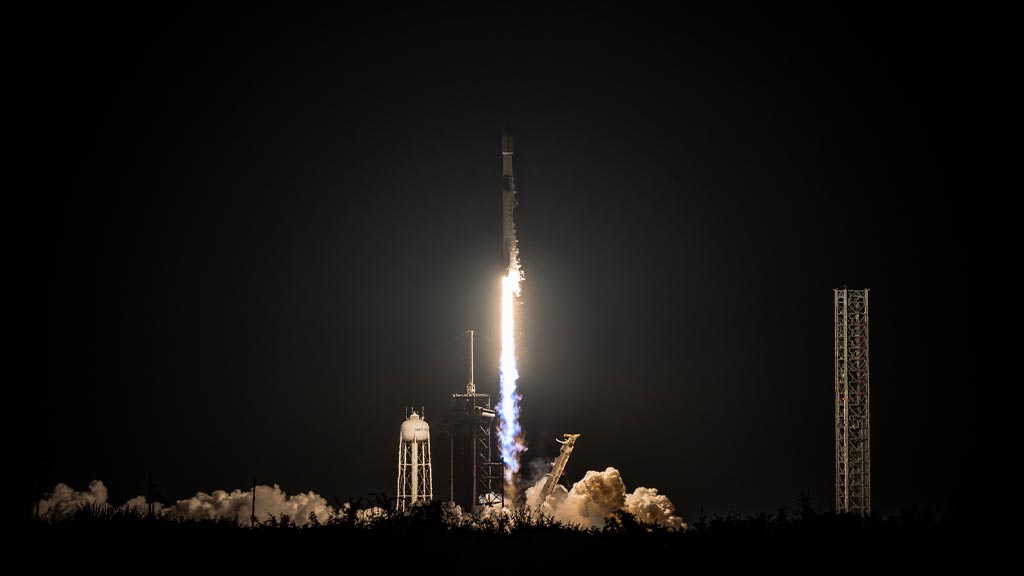

The flight took off from Space Launch Complex 40 at Cape Canaveral Space Force Station in Florida with another batch of 29 Starlink satellites. After stage separation, the first stage maneuvered back to Earth and landed on a droneship stationed in the Atlantic Ocean.
The first stage of this mission completed 24th flight, which previously supported Crew-6, SES 03b mPOWER-B, USSF-124, BlueBird 1-5, Nuisantara Lima (PSN N5), and 19 Starlink missions.
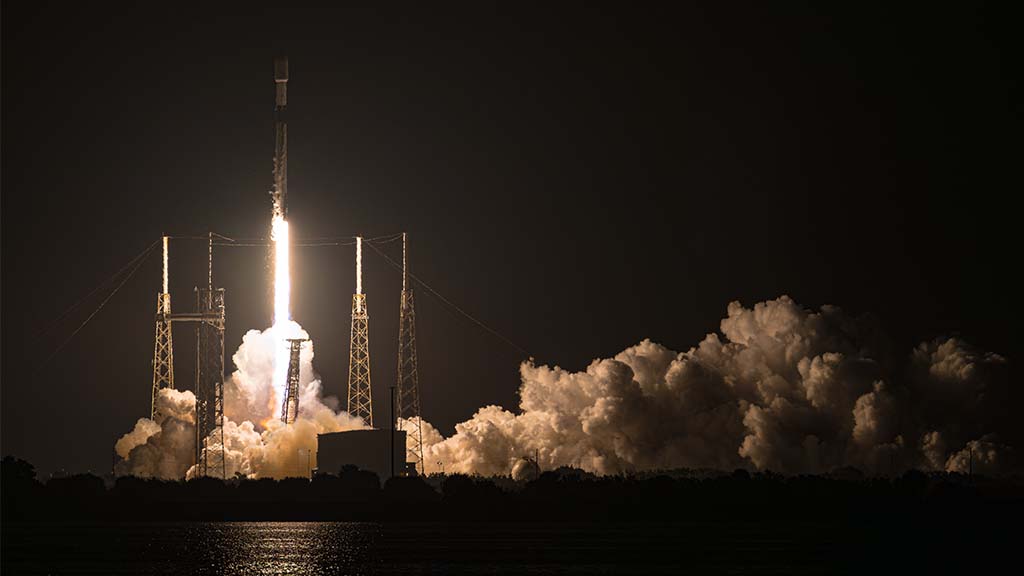
SpaceX Falcon 9 launch from Launch Complex 39A (LC-39A) at NASA’s Kennedy Space Center in Florida
These new 58 Starlink satellites will add to the existing constellation, improving internet speed and coverage in remote areas to expand connectivity. By 2025, Starlink satellites will serve a million.
Recently, SpaceX has crossed 10,000 Starlink satellites into orbit, achieving a remarkable feat in space communication technology, and it’s more than all of the satellite operators combined.
Since February this year, the company has added more than 330 satellites to the constellation. On the other hand, Starlink’s user base has increased to more than 7 million users worldwide.