News
Tesla announced the end of Model S and Model X production

Tesla has announced that production of its Model S and Model X vehicles will end in the second quarter of 2026. CEO Elon Musk shared this news during the company’s Q4 2025 earnings call in late January 2026. The decision marks the conclusion of an important chapter for Tesla, as these two models were the company’s original flagship cars.
The Model S, Tesla’s first mass-produced electric sedan, began deliveries in June 2012. It played a key role in proving that electric vehicles (EVs) could offer long range, high performance, and luxury appeal. The Model X, a crossover SUV with distinctive Falcon-wing doors, followed with first deliveries in September 2015. Together, these vehicles helped establish Tesla as a serious player in the automotive industry and attracted early adopters willing to pay premium prices.
The main reason for ending production is to free up manufacturing space at Tesla’s Fremont factory in California. The company plans to repurpose the lines previously used for Model S and Model X to produce its Optimus humanoid robot. Tesla sees robotics and artificial intelligence as major growth areas beyond cars, and this move allows faster scaling of Optimus production.
In recent years, sales of Model S and Model X have become a small part of Tesla’s overall business. These higher-priced vehicles now represent less than 1% of the company’s total deliveries. Tesla’s growth has been driven primarily by the more affordable Model 3 and Model Y, which together account for the vast majority of quarterly and annual sales.

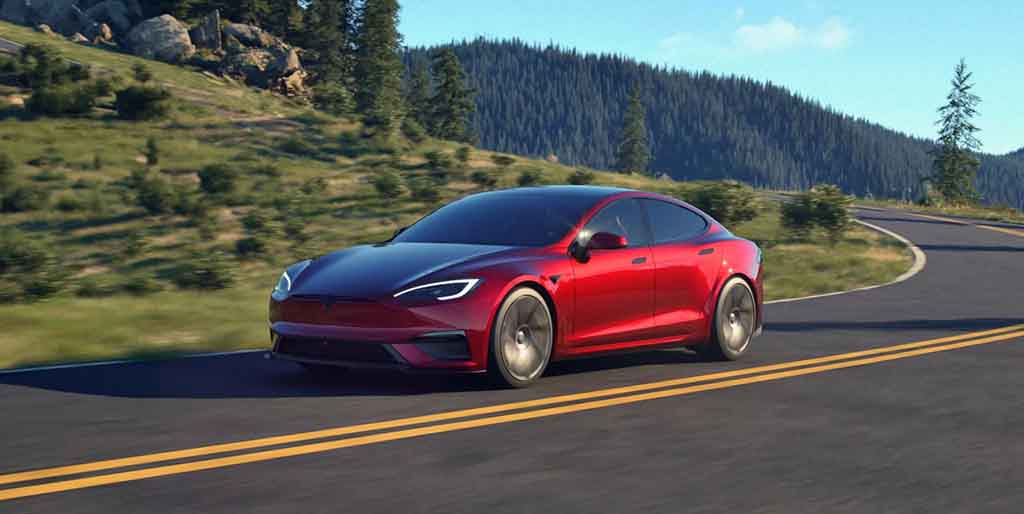
Refreshed Tesla Model S
For context, Tesla’s total vehicle deliveries have grown steadily, reaching millions per year, while combined Model S and Model X deliveries have remained in the low tens of thousands annually in recent quarters.
This shift reflects a broader change in Tesla’s strategy, moving from only electric cars to building a wider range of AI-driven products. Optimus is intended to perform tasks in homes and factories, potentially opening new revenue streams that are not tied to traditional automotive sales. By dedicating factory space to robots, Tesla is prioritizing long-term opportunities in automation and artificial intelligence over maintaining production of its older luxury models.
The end of Model S and Model X production does not mean Tesla is abandoning the premium segment entirely. The company continues to offer updated versions of these vehicles until mid-2026, and existing owners will still receive service and support. Future high-end vehicles, such as potential refreshed designs or new models, have not been ruled out, though no specific plans have been confirmed.
The Model S and Model X helped launch the EV revolution. Tesla now believes its future growth lies in robotics and autonomous systems. Ending these legacy models frees resources for those ambitions, even as Tesla continues to expand its core car business with newer, higher-volume products.