Tesla
Tesla is now operating 500 Robotaxis in Bay Area and Austin

Elon Musk, CEO of Tesla, announced that his company is operating 500 Model Y robotaxis providing paid rides across the Bay Area and Austin. These numbers are doubled from earlier reports of around 250 vehicles just weeks prior.
The service launched in mid-2025, starting modestly. In Austin, operations began with roughly 15-35 vehicles covering limited areas, while the Bay Area followed with initial deployments focused on data collection and supervised rides. By late 2025, the combined fleet hovered around 150-200 vehicles, accumulating hundreds of thousands of miles, reaching 650,000 cumulative miles by the end of December 2025.
Early phases relied heavily on safety monitors, but improvements came swiftly. Austin saw the introduction of unsupervised rides (no safety driver) in January 2026, starting with limited and expanding, with recent announcements confirming no follow cars needed as of late January. The Bay Area has maintained more supervised operations but has shown steady vehicle additions and coverage growth.
Operations differ notably between the two cities. Austin’s service has emphasized high-demand responsiveness. The EV maker is rapidly scaling the fleet, adding dozens of vehicles in short periods, to address longer wait times and surging ride requests.

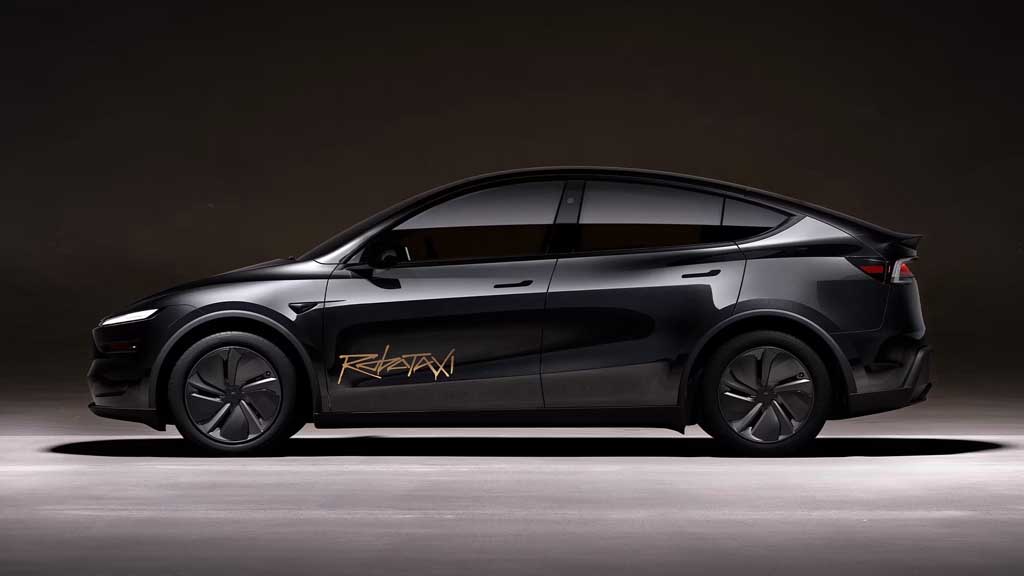
Tesla Robotaxi
In contrast, the Bay Area prioritizes broader geographic coverage, including challenging dense urban environments, highways, and varied traffic patterns, leading to a larger share of the fleet (historically 150+ vs. Austin’s lower counts). This has resulted in more conservative rollout pacing but higher overall mileage accumulation per vehicle for edge-case learning.
Recent notable improvements include the elimination of safety monitors in Austin, enhanced rear camera washers for better perception in adverse conditions, and cumulative fleet growth enabling more reliable paid service. Pricing is also user-friendly, with average rides around $8-10 in the Bay Area, driving high utilization despite occasional wait times.
The current 500-vehicle fleet sets the stage for exponential scaling toward thousands by mid-2026. Broader U.S. coverage is targeted for late 2026 (potentially 25-50% of regions), alongside Cybercab production ramp-up in the first half of 2026.