SpaceX
SpaceX conducted record 33rd flight of a Falcon 9 booster

SpaceX has created a new record for rocket reuse with the 33rd flight of a single Falcon 9 booster. This achievement is a part of a newly launched Starlink mission SL-6-104 from Cape Canaveral Space Force Station in Florida.
The rocket lifted off at 10:47 p.m. Eastern time, carried 28 satellites into low-Earth orbit with a successful deployment. The first-stage booster, B1067, separated from the second stage, fired its return engines, and landed on A Shortfall of Gravitas droneship in the Atlantic. Everything from max dynamic pressure to engine cutoff and touchdown went according to the plan, with satellites deploying just over an hour after liftoff.
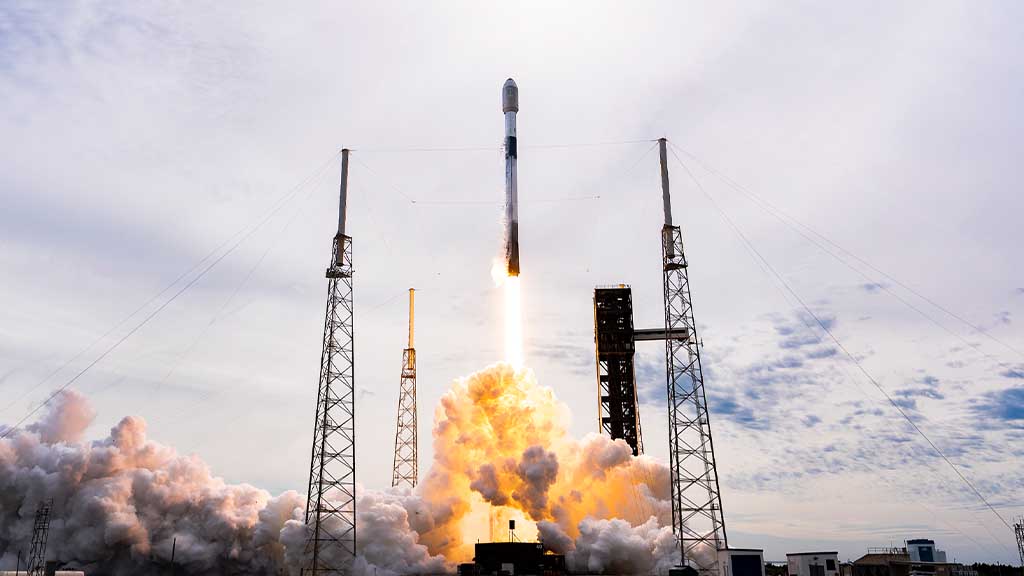

This booster previously flew cargo to the space station, supported crew missions, and handled commercial payloads like Turksat and Koreasat satellites. It also powered more than twenty earlier Starlink flights.
With each launch, the team inspected, refurbished, and relaunched this booster. The 33rd flight marks the highest reuse count for any orbital booster yet, and it proves the Falcon 9 system keeps getting stronger with every cycle.
Additionally, SpaceX actually ran two Starlink missions that same day, one from Florida and another earlier. That quick turnaround shows how routine these operations become. Boosters return, get checked overnight, and fly again soon after. The company steadily grows its constellation while testing limits on turnaround time and reliability.
Recent activity around mid-February keeps the pace high. SpaceX deployed batches of 25 and 29 Starlink satellites in nearby launches, all with recovered boosters. These flights build on years of data from landings and re-flights, letting teams refine every step. The result? More satellites are in orbit faster and cheaper than ever before.