OpenAI
Mobile users are deleting ChatGPT and here’s why

Users are deleting the ChatGPT app after OpenAI signed a deal with the US Department of Defense. Data shows uninstalls jumped 295% in the US on the day the news broke, far above the usual daily shift. This sudden movement is rallied on iOS and Android platforms.
Users are deleting the app due to privacy concerns and unease with military ties. One of the core concerns is that their chats are somehow feeding into defense systems, or worry that the partnership opens doors to surveillance, even if their terms say otherwise.
This step has garnered a huge backlash, especially among users who value complete independence from state agencies. At the same time, core web usage stays steady with hundreds of millions of monthly visits, so the app could account for a small slice of overall activity. Yet, mobile usage matters, and any type of decline is a sign of worry.
The partnership with DoW gives defense teams secure access to advanced models inside classified environments. Everything runs on government clouds only, with OpenAI keeping full safety controls and cleared staff involved. Strict red lines block mass domestic spying, the direction of autonomous weapons, or machines making high-stakes calls alone.

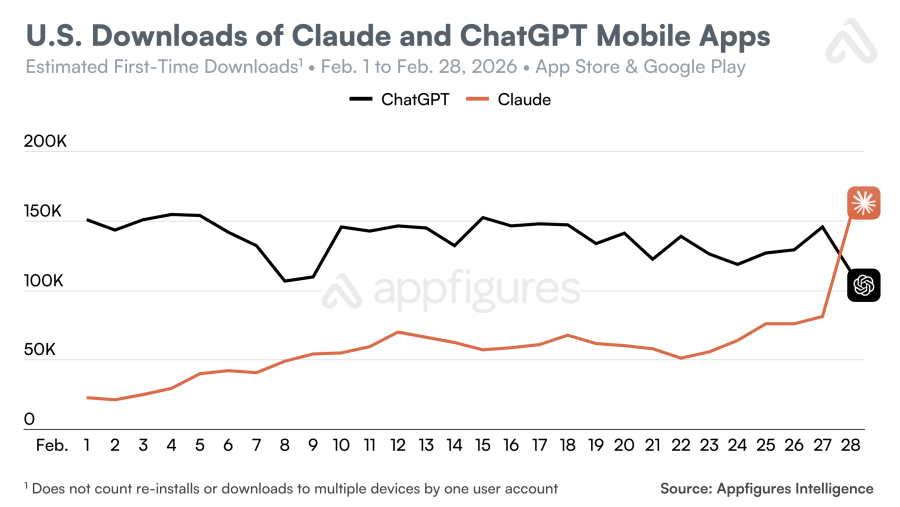
Users are uninstalling ChatGPT and jumping to Claude
All activity must follow US laws on privacy and intelligence. OpenAI said it has built these layers to prevent misuse while letting the military tap AI for lawful intelligence and operations. The AI company views the move as a way to equip defenders against adversaries who already race ahead with similar tech.
OpenAI CEO Sam Altman recently shared his thoughts on this matter, saying that his personal shift from believing every nation should drop its defense forces to seeing a strong United States as vital for global stability and liberty. Atlman admitted the initial Friday announcement looked “sloppy and rushed”, even though the team aimed to ease tensions.
OpenAI’s chief called it a learning moment and shared the steps the company took right away to strengthen the agreement. Later added a clear language banning any intentional tracking of American citizens, even through purchased data, and confirmed intelligence agencies like the NSA need fresh terms for any future use.
In the past few days, OpenAI updated the agreement further and set up an all-hands meeting to answer questions. Altman also invited other labs to join on equal terms. However, will that help ChatGPT to recover from this mobile user backlash? We’ll see.