SpaceX
SpaceX launches 29 Starlink (SL-6-98) satellites from Florida

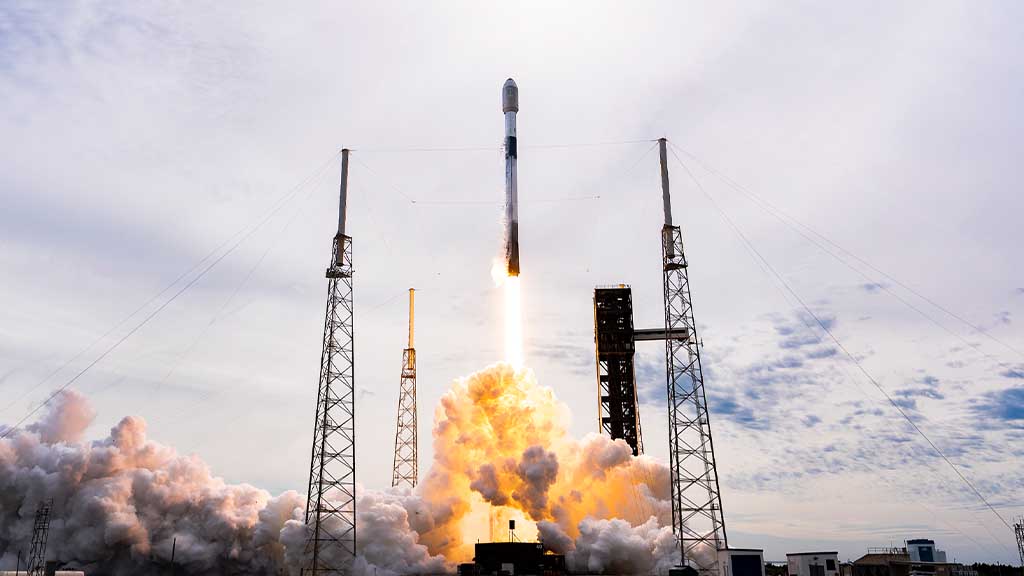
On January 14, 2026, at 1:08 p.m. ET, a SpaceX Falcon 9 rocket lifted off from Space Launch Complex 40 at Cape Canaveral Space Force Station in Florida with SL-6-98 group Starlink satellites. The latest mission marked another step in building a vast satellite network for global internet access.
The rocket carried 29 Starlink satellites into low-Earth orbit, where they were deployed about an hour after launch. This deployment adds to the constellation’s capacity to provide high-speed, low-latency internet.
The Falcon 9’s first stage booster, on its 13th flight, had previously supported missions like Crew-9 and several other Starlink launches. After separating, it landed safely on the droneship A Shortfall of Gravitas in the Atlantic Ocean, for recovery and refurbishment to use in the next mission.
This mission fits into a series of recent Starlink deployments. Just days earlier, on January 12 and January 9, 2026, Falcon 9 rockets launched another 29 satellites each from Florida.
These frequent launches highlight SpaceX’s rapid pace. In 2025, the company completed over 120 Falcon 9 missions focused on Starlink, adding more than 270 terabits per second of network capacity to meet growing global demand. Key milestones underscore the program’s progress. In June 2025, a launch completed the first generation of Direct to Cell satellites, enabling direct smartphone connectivity.

By September 2025, the rocket maker achieved its 500th booster launch and landing during a Starlink mission. However, SpaceX is planning even better Starlink satellites with Starship, but that is yet to come.
SL-6-98 contributes to the rapidly-growing satellite constellation, which empowers connectivity in remote areas. With the latest addition, the rocket firm continues to ramp up new satellite launches with more frequent Falcon 9 missions.
(SpaceX)