Blue Origin
3rd New Glenn rocket flight will carry AST SpaceMobile’s BlueBird satellite

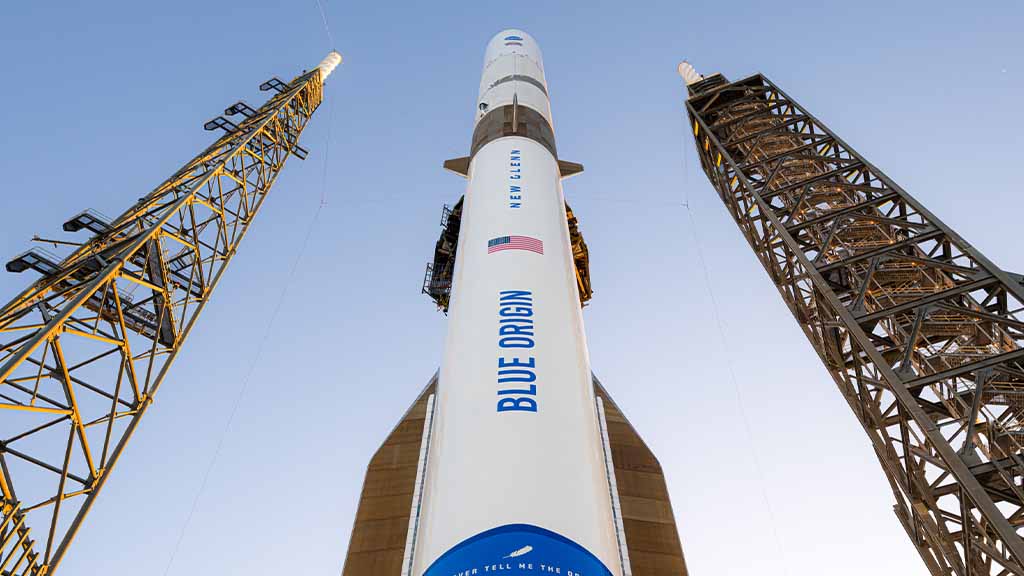
Blue Origin has announced that its New Glenn rocket’s 3rd mission, known as NG-3, will launch AST SpaceMobile’s next-generation Block 2 BlueBird satellite to low Earth orbit.
The launch is targeted for no earlier than late February 2026 from Launch Complex 36 at Cape Canaveral Space Force Station. This is an important mission for both companies in advancing reusable launch technology and space-based cellular broadband.
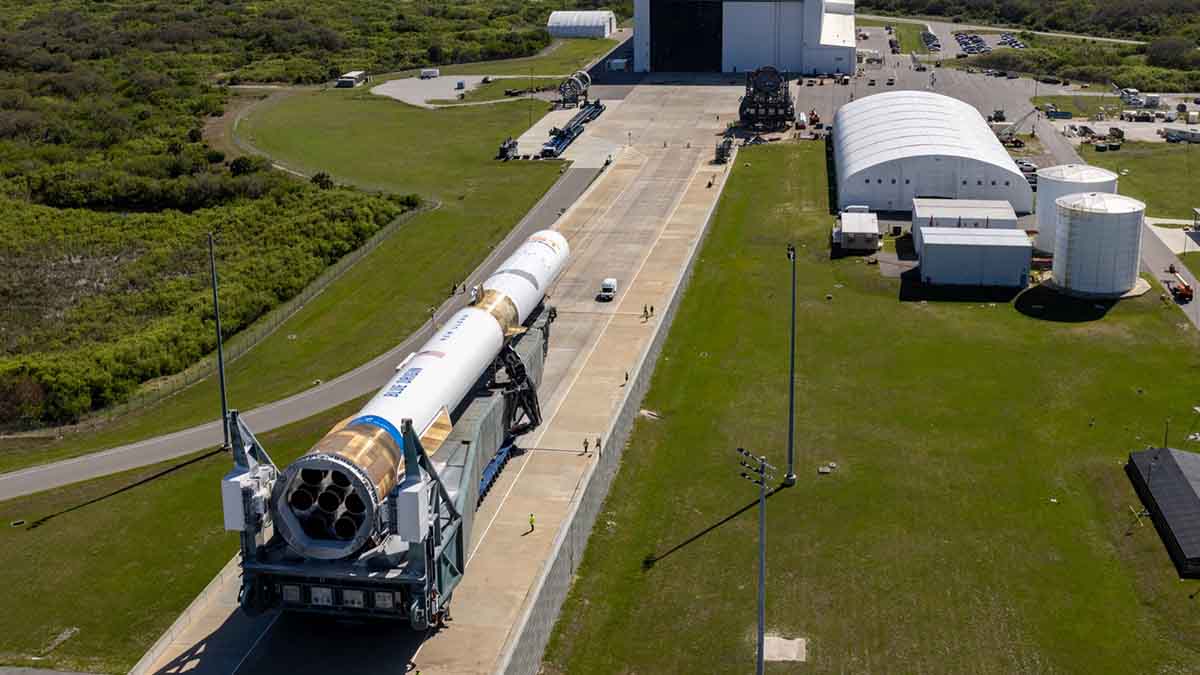
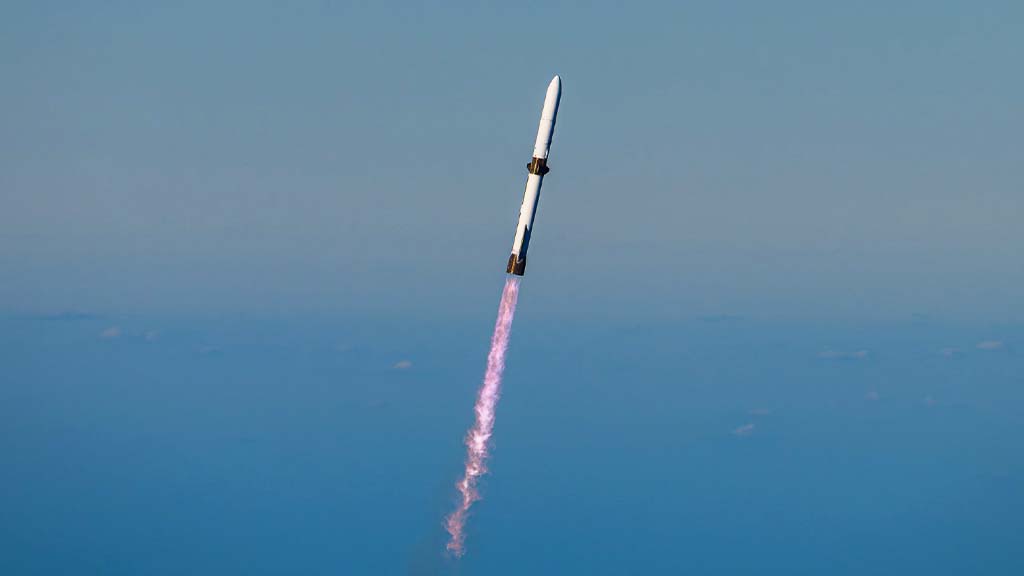
New Glenn is a heavy-lift, reusable rocket developed by Blue Origin. It features seven BE-4 engines on the first stage and uses liquid oxygen and liquid methane as propellants. The rocket stands out with its seven-meter fairing, which allows larger payloads compared to many other launch vehicles.
The program has achieved key milestones in its early flights. The first mission (NG-1) in January 2025 successfully reached orbit, proving the rocket’s basic capabilities. The second mission (NG-2) in November 2025 deployed NASA’s ESCAPADE twin spacecraft toward Mars.
It also included the first successful landing of the first-stage booster, named “Never Tell Me The Odds,” on a drone ship in the Atlantic Ocean. This booster recovery demonstrated progress toward full reusability, a core goal for reducing launch costs.
For NG-3, Blue Origin will reuse the same booster from NG-2 after refurbishment. This step shows rapid turnaround, less than four months between flights, and builds confidence in the rocket’s reliability for commercial customers.
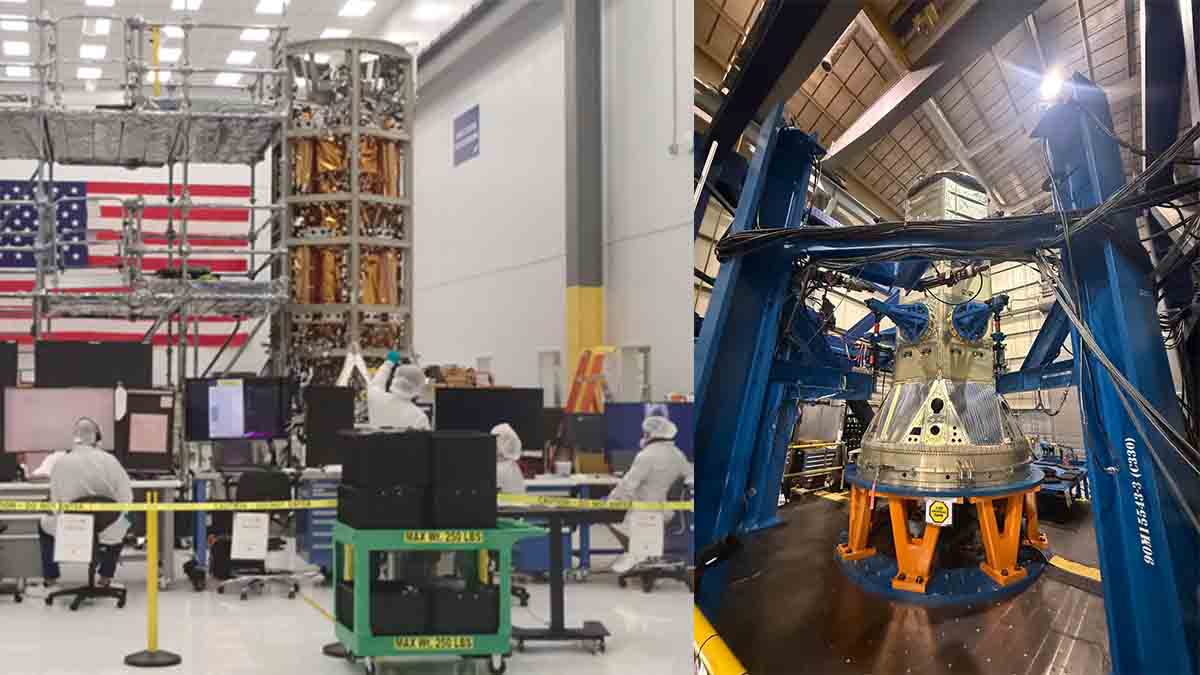
The payload for NG-3 is AST SpaceMobile’s Block 2 BlueBird satellite. AST SpaceMobile builds a space-based cellular broadband network that connects directly to standard smartphones without special hardware.
The next-generation Block 2 BlueBird satellites feature an advanced design. They include nearly 2,400 square feet of phased array antennas. This is about 3 times larger than the first-generation BlueBirds (693 square feet).
Each satellite supports 10 GHz of processing bandwidth via the proprietary AST5000 ASIC chip. It enables peak speeds of 120 Mbps per coverage cell, over 2,000 active cells per satellite, and millions of daily connections per cell. These capabilities support high-speed streaming, calls, and apps across vast areas, enabling services for both commercial and government use.
The seven-meter fairing on New Glenn allows up to eight Block 2 BlueBirds per future mission, doubling payload volume compared to five-meter fairing rockets. This contract was selected in November 2024, highlighting New Glenn’s role in deploying large satellite constellations.
More details about this mission will come soon.