SpaceX
SpaceX Stargaze Launched: SSA system to reduce satellite collision probability

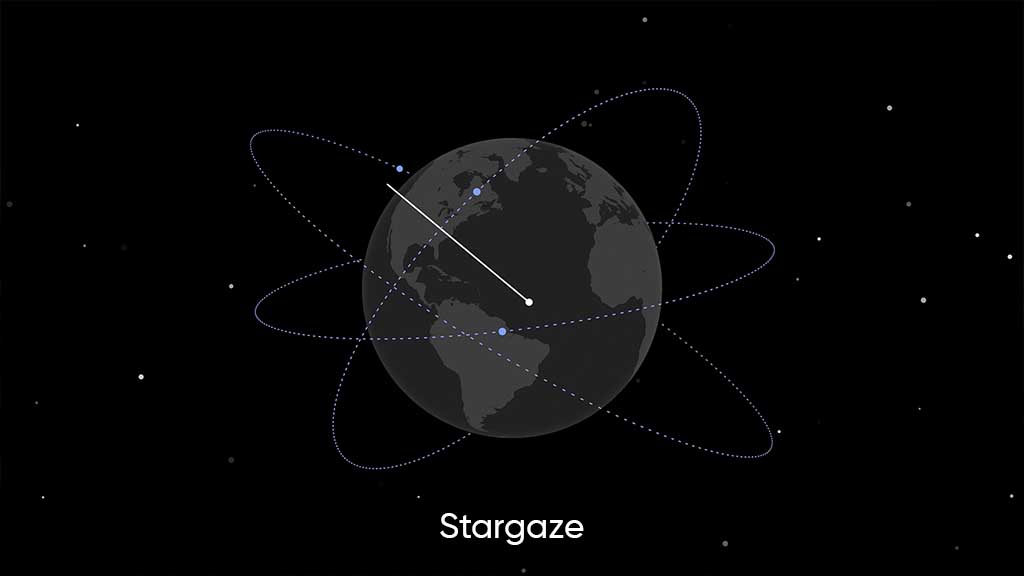
SpaceX has launched Stargaze, a free Space Situational Awareness (SSA) system, that will help to keep satellites safe in space by reducing the chances of collision.
Specifically, Stargaze is developed to support the safety and sustainability of operations in low Earth orbit (LEO). The system utilizes data collected from the Starlink constellation to monitor orbital objects and provide conjunction screening information. The primary purpose of Stargaze is to address increasing collision risks in LEO.
These risks arise from factors such as rocket bodies left in orbit, satellites performing maneuvers without sharing trajectory predictions, lack of coordination among operators, and effects from anti-satellite tests or variable space weather conditions.
Conventional ground-based observation methods typically track objects only a limited number of times per day, which can limit timely awareness of changes in orbits.
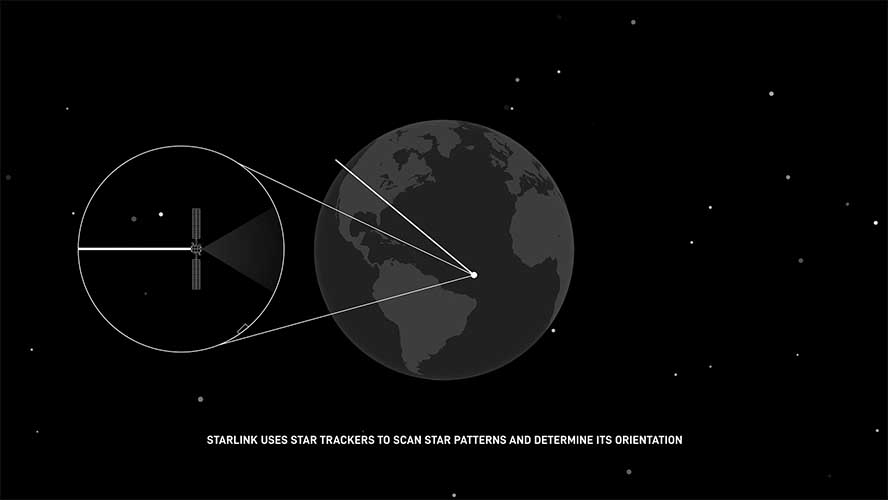
Stargaze operates by leveraging nearly 30,000 star trackers installed on Starlink satellites. Each star tracker performs continuous observations, detecting transits of nearby objects and generating approximately 30 million detections daily across the fleet.
The system autonomously processes these observations to produce accurate orbit estimates and predictions of position and velocity in near real-time. This data feeds into a space-traffic management platform that identifies potential close approaches and generates Conjunction Data Messages (CDMs).
A key capability is the delivery of conjunction screening results within minutes, compared to several hours under current industry standards. Stargaze also detects satellite maneuvers more rapidly than existing systems.
The platform integrates these predictions to support assessment of close approaches and facilitates collision avoidance through updated trajectory information and timely alerts. SpaceX makes Stargaze conjunction data available free of charge to all satellite operators through its space-traffic management platform.
Operators that submit their own ephemeris data, particularly frequent updates for maneuvering satellites, can receive CDMs that incorporate Stargaze observations alongside submissions from other participants.
Starlink itself updates and shares its ephemeris publicly every hour. The system has operated in a closed beta phase with over a dozen satellite operators, enabling low-latency ephemeris sharing and screening.
In one documented instance from late 2025, Stargaze identified a maneuver by a third-party satellite that reduced a conjunction miss distance from approximately 9,000 meters to about 60 meters. The system updated trajectories, issued new CDMs, and supported a Starlink avoidance maneuver within an hour, eliminating the risk. This response relied on the rapid detection and distribution process.
Stargaze emphasizes that operator-provided ephemeris remains the most definitive source for trajectory information, enabling effective deconfliction and reduced need for avoidance maneuvers. By offering the service free of cost, the system encourages broader ephemeris sharing among operators to promote coordinated and safer use of orbital space.
(source)