SpaceX
SpaceX is ready for first-ever static-fire of 33 Raptor 3 engines

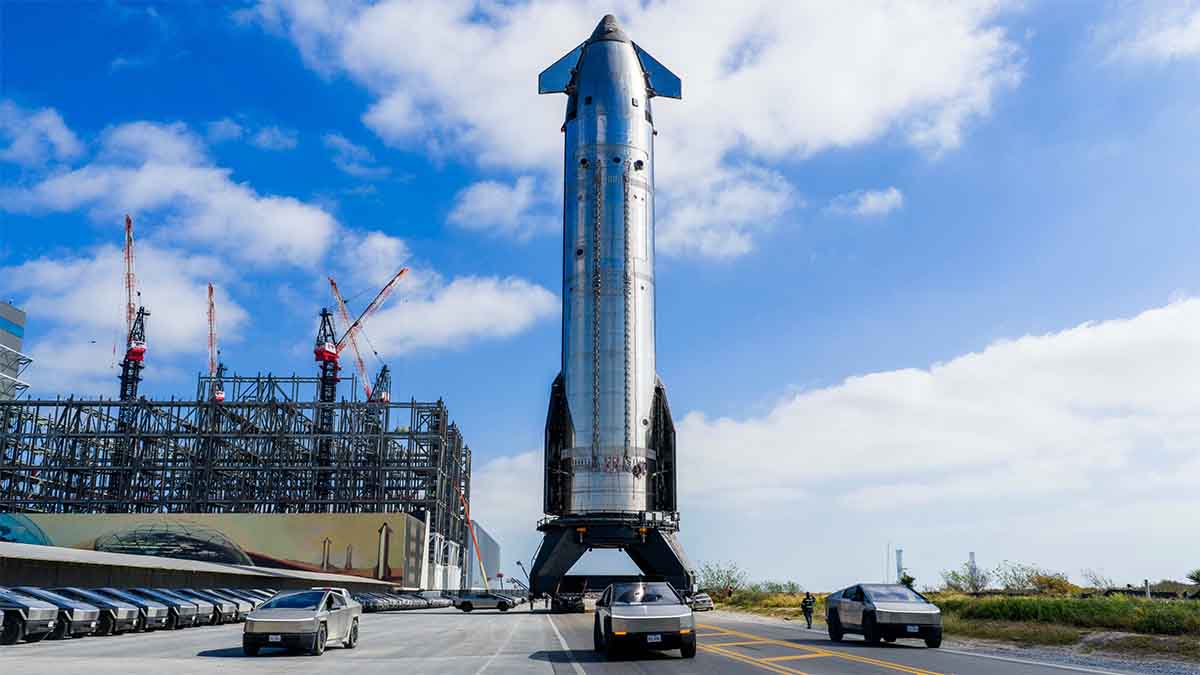
SpaceX has rolled out the Super Heavy Booster 19 out of the Mega bay and sent it on course to the Starship Launch Pad 2 at Starbase with 33 Raptor 3 engines for the first time.
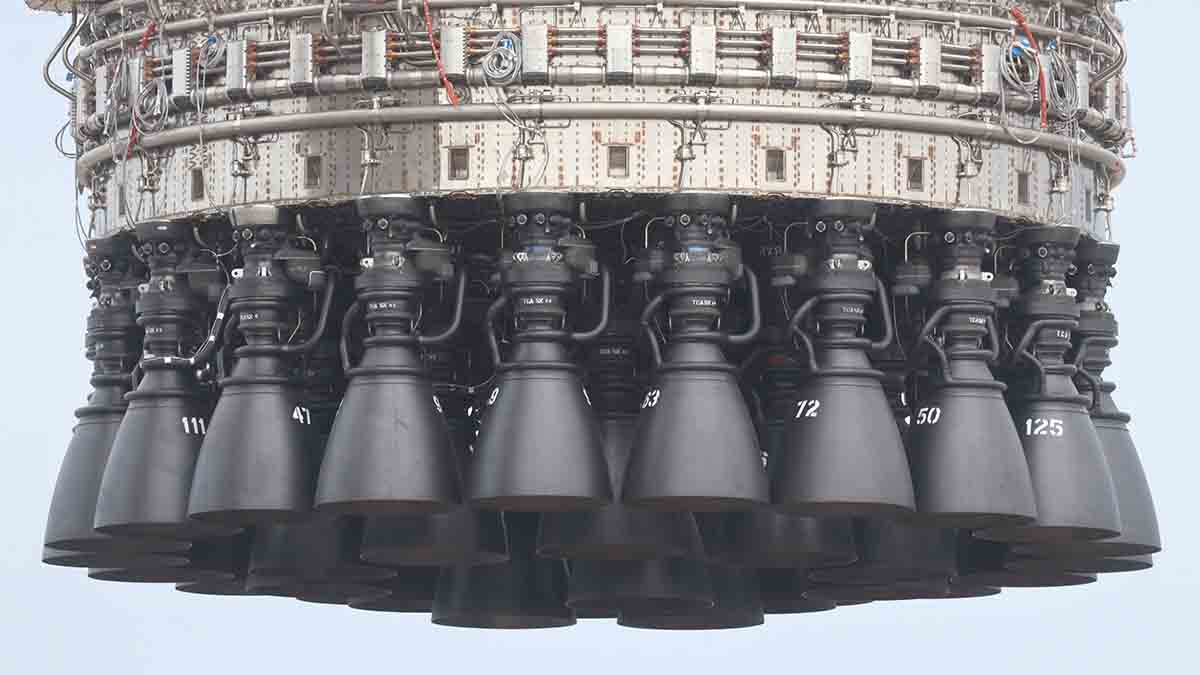
The space launch vehicle maker carried this rocket through transporter vehicles to the launch pad, and upon lifting off the hangar, it gave us the first view of those 33 Raptor 3 assemblies.
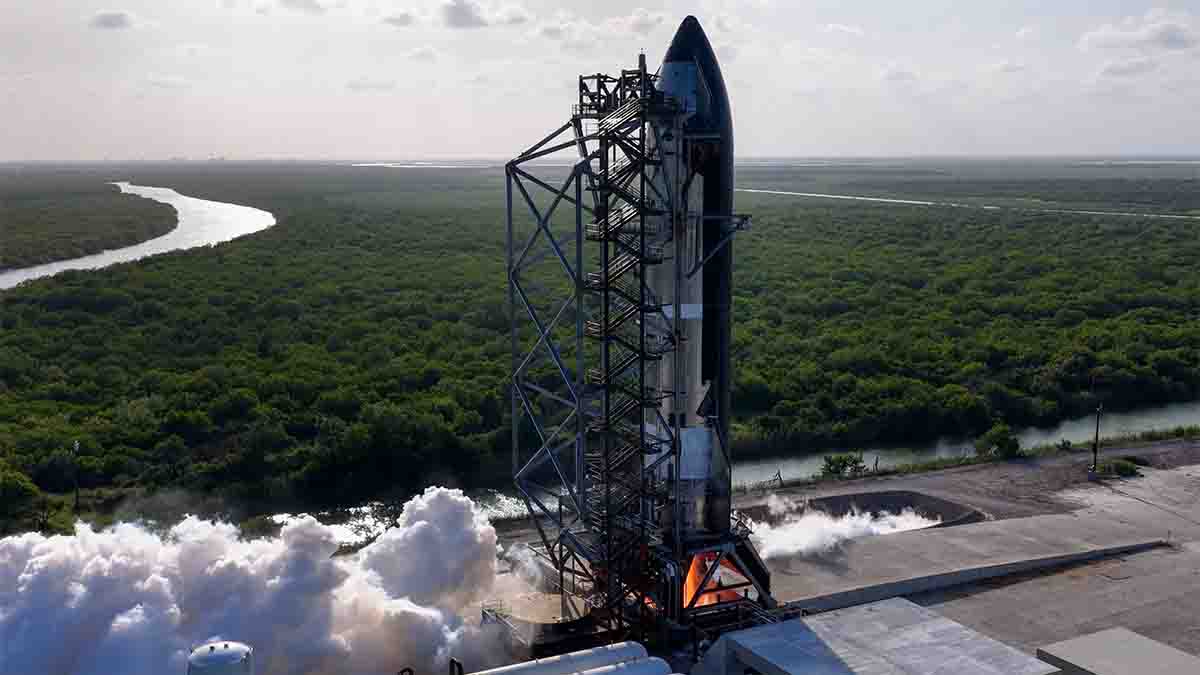
Last month, the company gave this Super Heavy its first test run with 10 Raptor 3 engines. It was also the inaugural test operations for Launch Pad 2. After a successful tank pressurization, the company performed a static fire with these 10 engines. The rocket went back to the factory and is now returning with the complete engine assembly.
Photos shared online show the difference between the Raptor 2 and the Raptor 3 engines. It’s observed that the Raptor 3 is much more efficient and cleaner compared to its predecessor. Aesthetics aren’t the only thing about the Raptor 3; it brings size efficiency, reducing weight for each engine and allowing the company to transfer that mass to the payload area to transfer more cargo to space.
The weight reduction comes from removing the heat shield, cutting the mass by 1.1 metric tons for each engine. 33 Raptor engines means 36 metric tons of mass reduction from the vehicle.
SpaceX Super Heavy booster with 33 Raptor Engines (Source – Starshipgazer)
On the other side, the Raptor 3 engines bring more power, it boasts 280 tf of thrust per engine and 350s specific impulse. The previous generation offers 230 tf of thrust and 347s specific impulse. So, the new engine supports better assembly and outputs more power during liftoff.
With these 33 Raptor 3 engines, SpaceX is ready to test the Super Heavy Booster 19 for the first-ever full-loaded static-fire on stand 2. This test could be performed for one or a few days based on the stability and structural verification of the booster, engine assembly, and the ground support. I will keep you posted on the upcoming development of the Super Heavy booster 19 as it unfolds.