SpaceX
SpaceX moves Super Heavy booster to the launch pad for Starship Flight 10

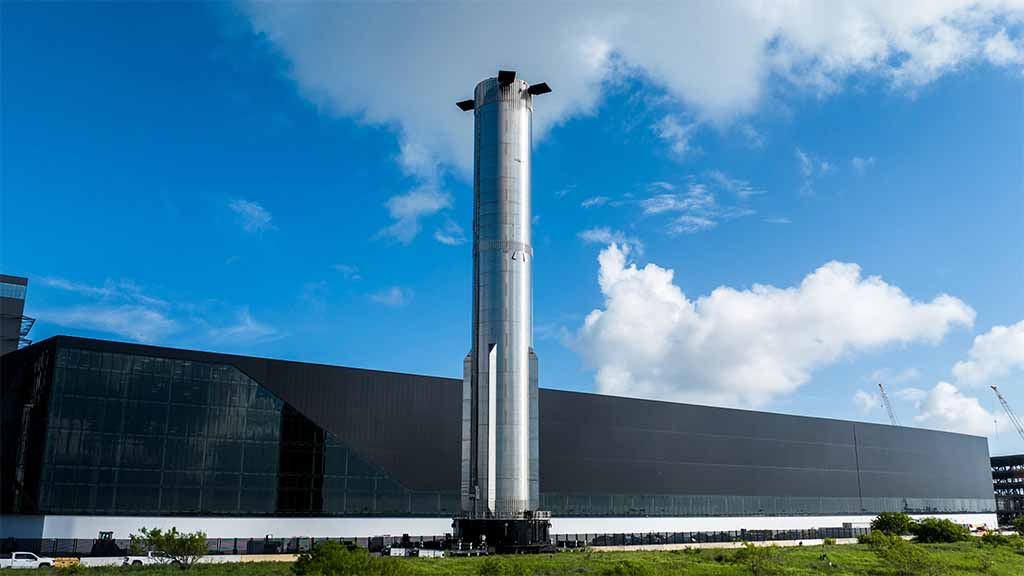
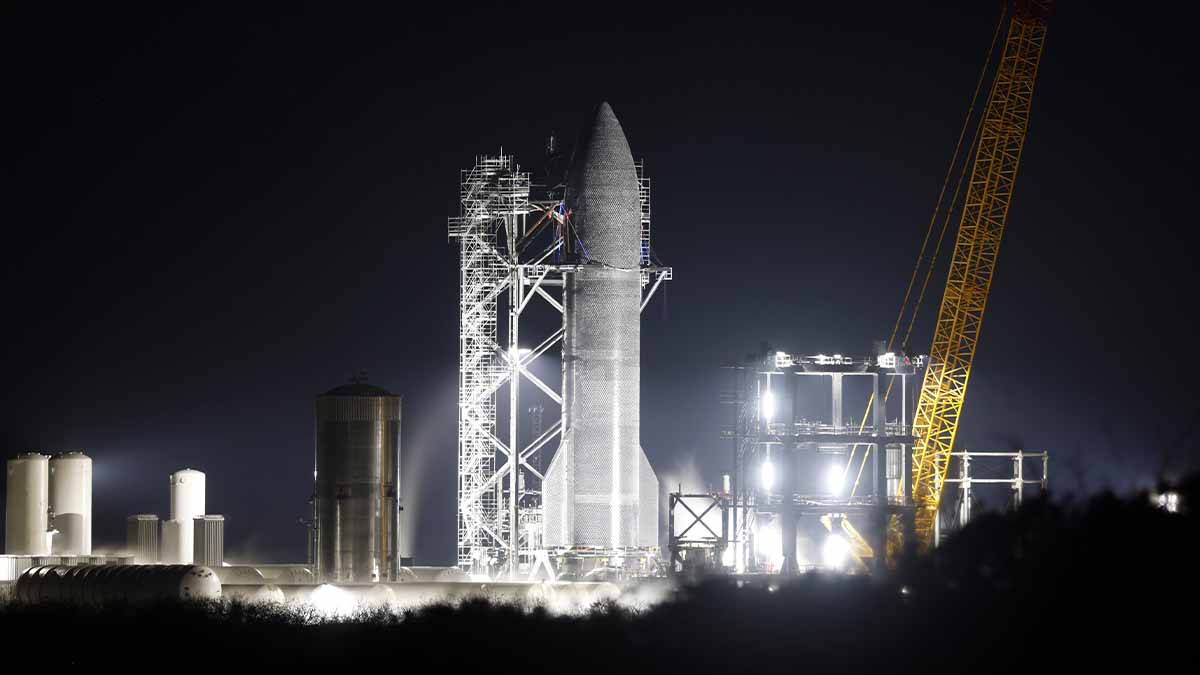
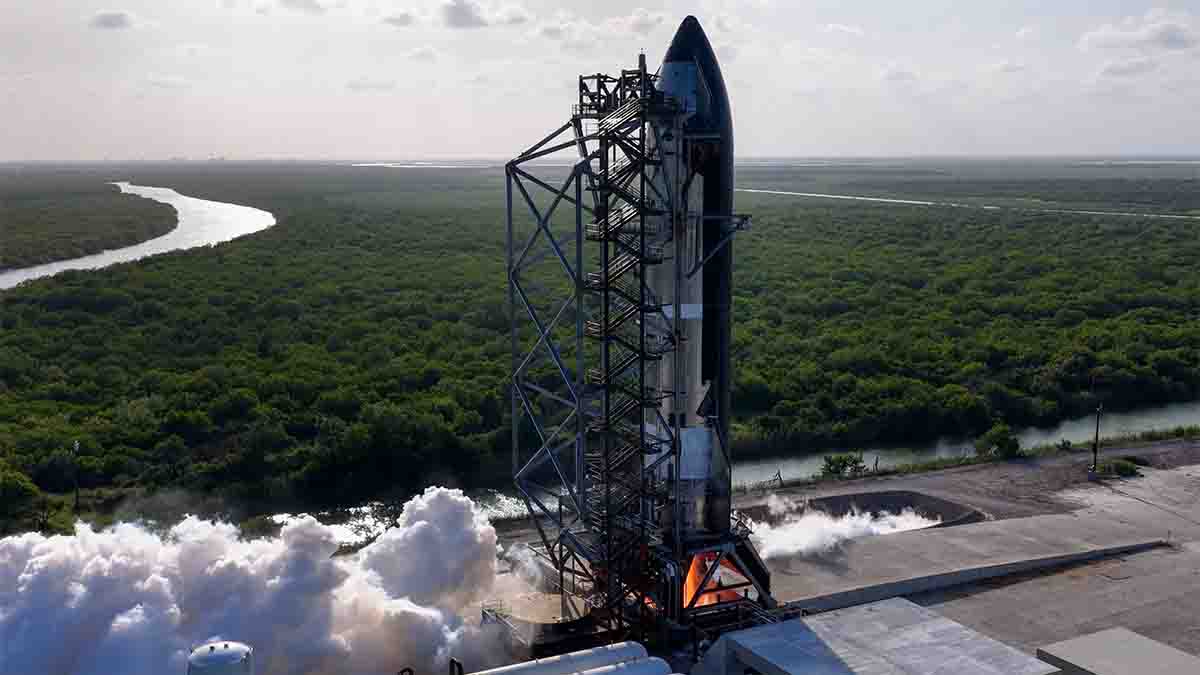
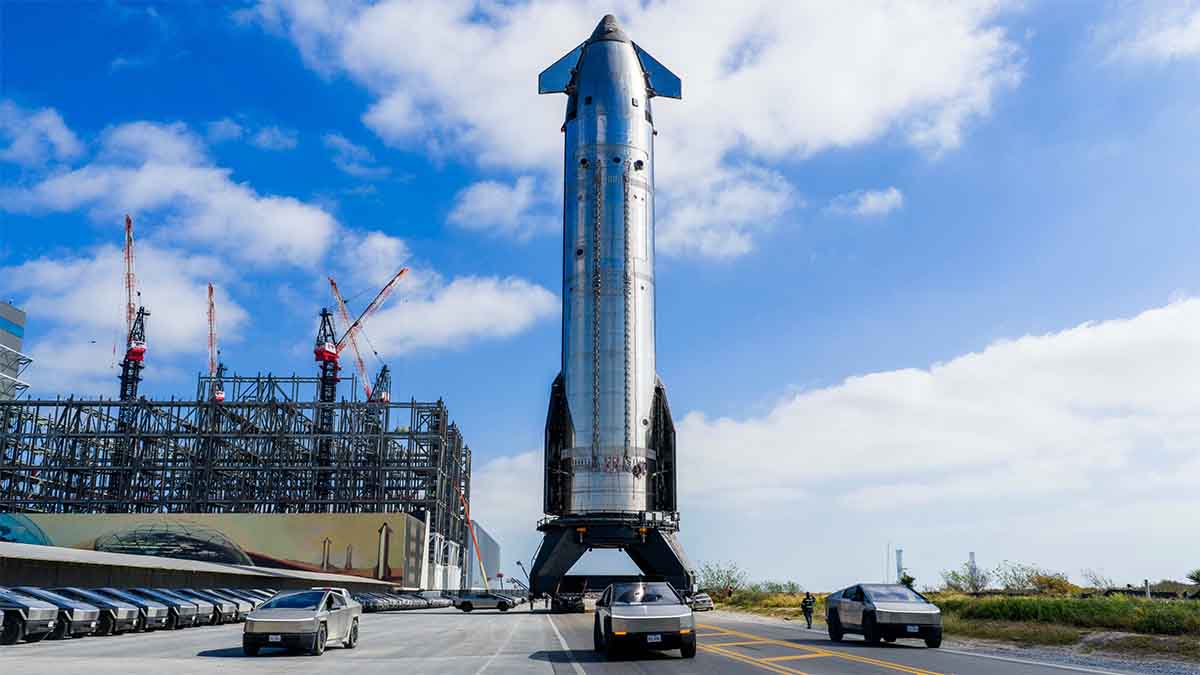
SpaceX has moved the Super Heavy booster to the launch pad for the Starship Flight 10, which is scheduled for this Sunday. SpaceX uses large transportation vehicles to move the ship out of the Starship factory, where it builds and refurbishes these giant rockets.
After reaching the launch pad, the huge robotic arms lift the booster and place it on the mount. The next step is to bring the upper stage and stack it on top of the booster to conduct pre-flight checks and ground support. The super heavy booster employs 33 Raptor engines, generating a massive thrust to take the large integrated vehicle into the air.
The booster is designed to send the ship into orbit, perform stage separation, and return to its launch pad for reuse. Since this task has already been achieved in the past flight tests, SpaceX is now performing new experiments on the booster alone to achieve maximum efficiency.
Super Heavy booster moved to the launch pad at Starbase ahead of Starship’s tenth flight test pic.twitter.com/3q7f6BvdoP
— SpaceX (@SpaceX) August 21, 2025
After stage separation, the booster will flip in a controlled direction prior to performing a boostback burn. This maneuver will save reserved propellant and use it to take additional payload to orbit. This booster has an experimental engine configuration, as one of its three center engines used for the final landing phase is disabled by the SpaceX team to gather vehicle data on the ability of a backup engine from the middle ring to complete a landing burn.
The booster will then transition to only two center engines for the end of the landing burn, entering a full hover while still above the ocean surface. This will be followed by a shutdown and dropping into the Gulf of America.
Yes, SpaceX won’t attempt to catch the super heavy booster with the Starship Flight 10 booster, due to these experiments, and we may have to wait for the upcoming tests to see this happen.