SpaceX
SpaceX launches IMAP probe to understand the boundary of the heliosphere

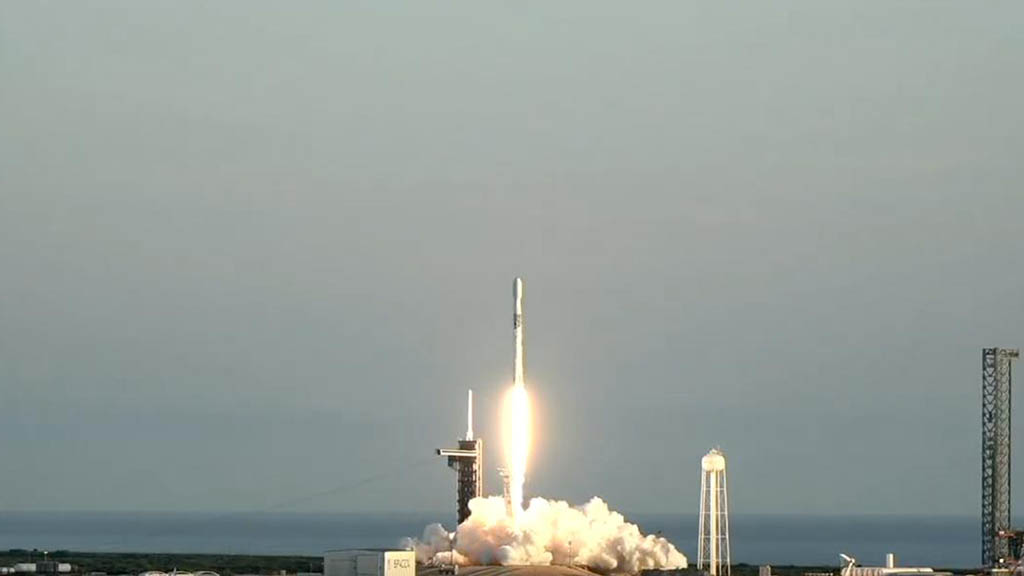
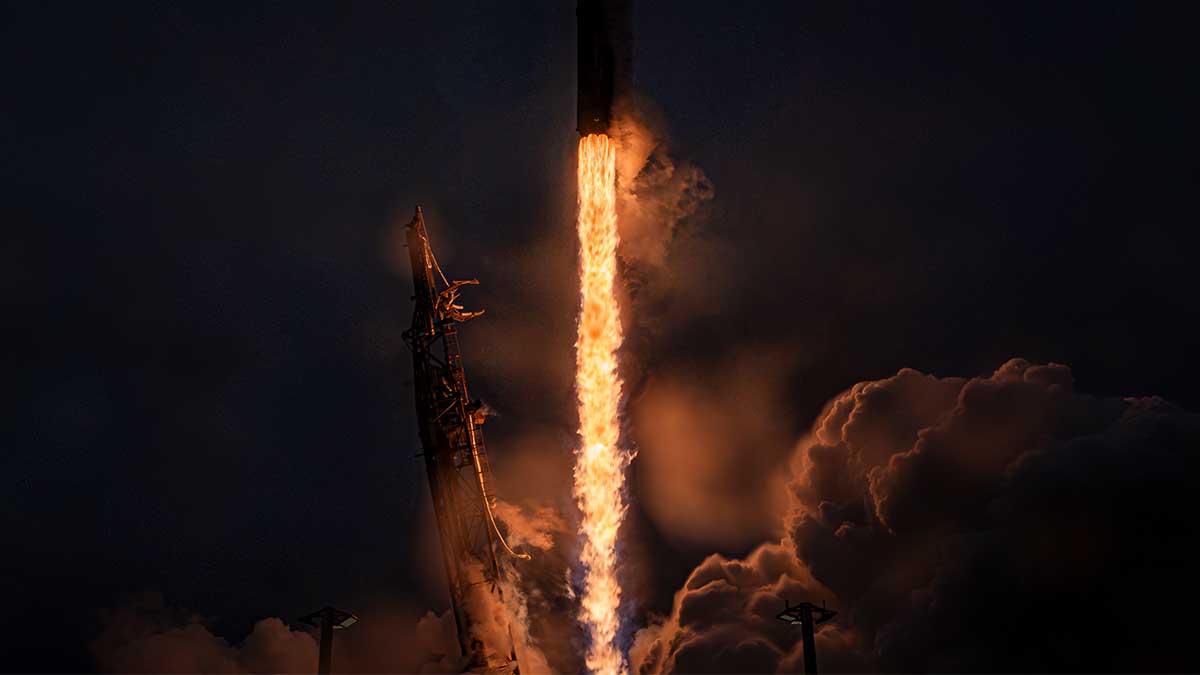
SpaceX has launched a new Falcon 9 rocket carrying NASA’s IMAP mission from Launch Complex 39A (LC-39A) at Kennedy Space Center in Florida. Besides IMAP, the payload fairings also consist of two other spacecraft, including Carruthers Geocorona Observatory and NOAA’s SWFO-L1.
However, this mission is headlined for its primary payload, which is an Interstellar Mapping and Acceleration Probe (IMAP). The probe will explore and map the very boundaries of the heliosphere, which consists of the magnetosphere, astrosphere, and outermost atmospheric layer of the Sun.
SpaceX Falcon 9 rocket launches from Launch Complex 39A (LC-39A) at Kennedy Space Center in Florida with NASA’s IMAP probe
IMAP will look into two important issues in heliophysics. First, how charged particles from the Sun are energized to create solar wind. Second, how solar wind interacts with interstellar space at the heliosphere’s boundary. The heliosphere saves inner planets from harsher radiation from interstellar space.
Not only Sun but the mission also keeps an eye on the space weather with real-time observations of the solar wind. This is very important as solar wind can disrupt Earth’s environment, technologies such as communication and electrical grids, as well as space technologies such as satellites, while imposing a negative impact on human astronauts with radiation.
The spacecraft consists of 10 scientific instruments to map the picture of the Sun’s outburst into space, including the origin of high-energy particles, magnetic fields, and more.
The IMAP spacecraft will deploy at the first Earth-Sun Lagrange point (L1) at around one million miles from Earth toward the Sun. It is capable of providing a half-hour’s warning to on-mission astronauts and spacecraft near Earth of harmful radiation en route.
With this liftoff, SpaceX’s Falcon fleet, including Falcon Heavy, has completed 13 missions for NASA’s Launch Services Program since 2016, covering everything from Earth climate monitoring to astrophysics and planetary defense.