SpaceX
Super Heavy Booster with Raptor 3 engines completes first static fire

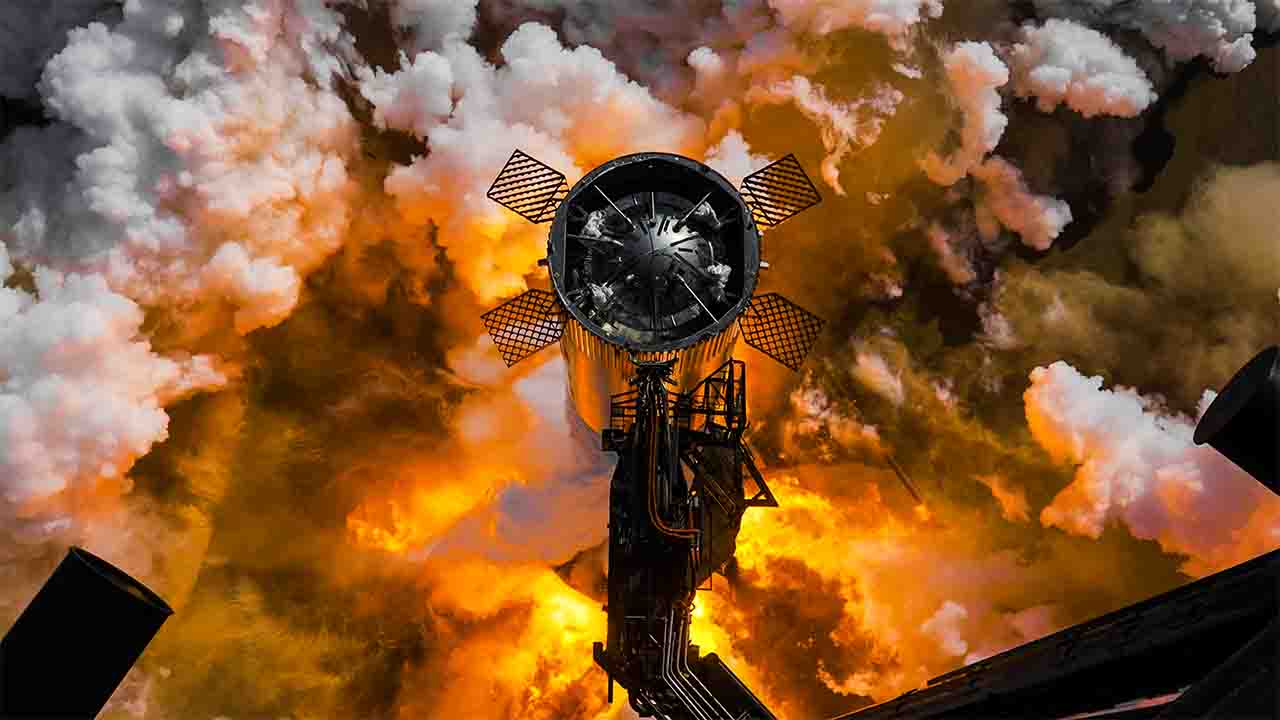
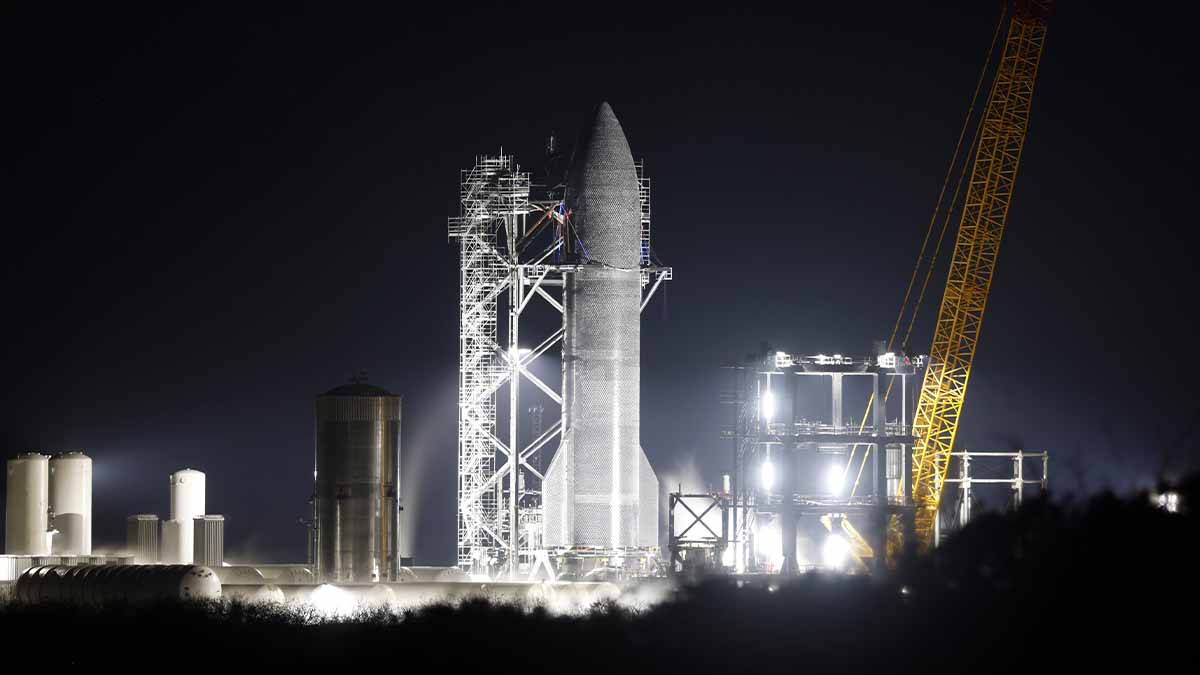
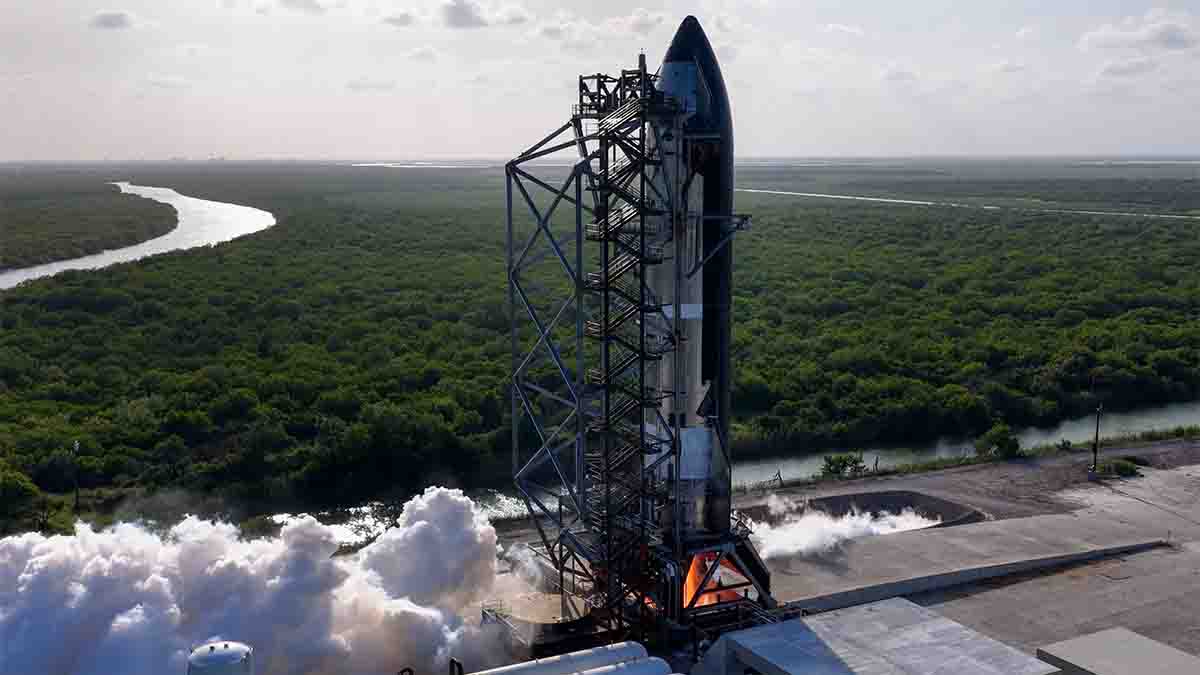
SpaceX has completed the Super Heavy Booster V3 with Raptor 3 engines assembly test campaign, including the static fire. This week-long test activity started with propellant loading operations that primarily aimed at testing the tank pressurization.
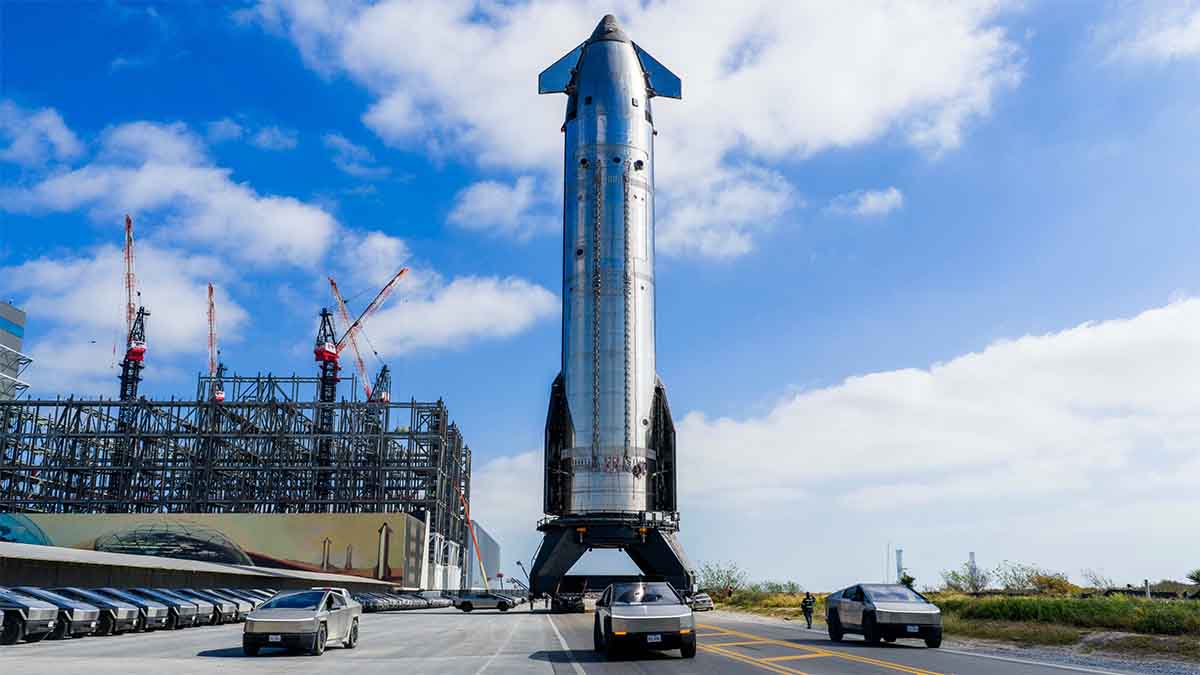
The Super Heavy is used to lift the second stage off the ground and into space, powered by 33 Raptor engines. Because this is the first Raptor 3 engine assembly, the company used 10 next-gen Raptor engines on the Super Heavy, up from the previously assumed 9.
The lack of information shadowed how many engines participated in this initial static fire. However, we’ll have to wait for an official announcement.
For starters, static-fire tests verify engine ignition and thrust in a launch-like environment without leaving the pad. Unlike a real launch, the engines burn for only a few seconds, sometimes extended to longer durations to verify engine stability and the tank’s propellant capacity.
With this test, SpaceX will conduct a static fire on the ship with the engines assembled, and we may have a good shot at seeing the first Starship V3 test launch in April.
First static fire of a V3 Superheavy! pic.twitter.com/Q3oQunEMVy
— Avid Space (@LabPadre) March 16, 2026