SpaceX
SpaceX launched Starship Flight 11 and checked all objectives

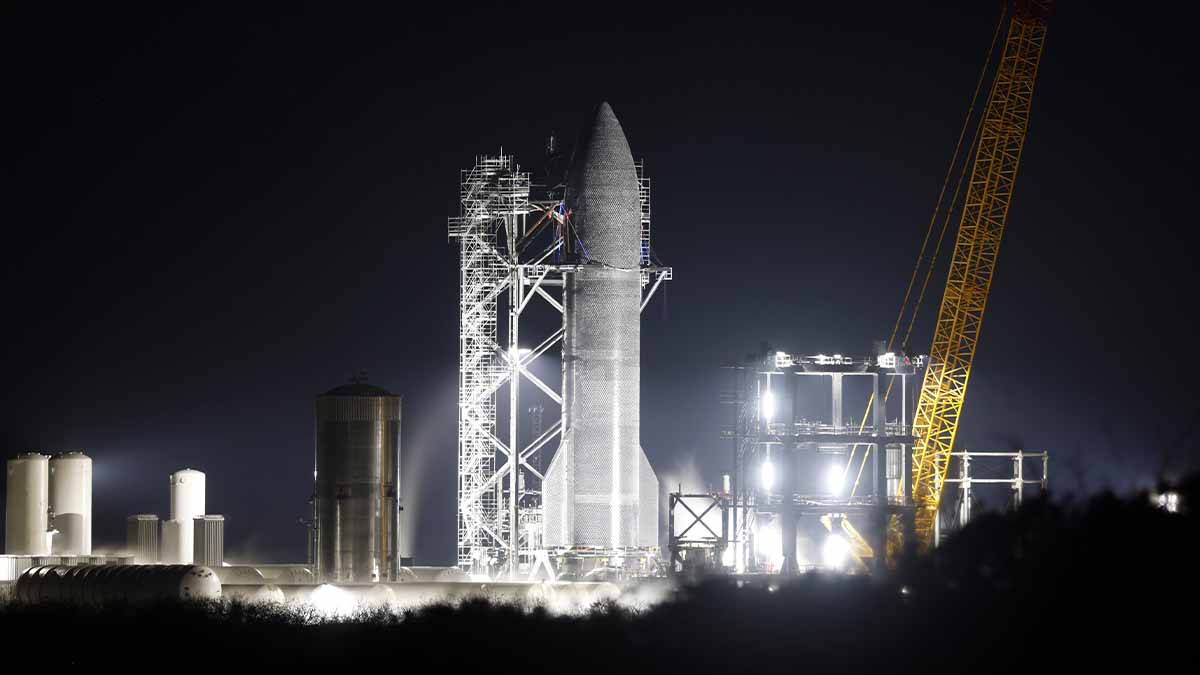
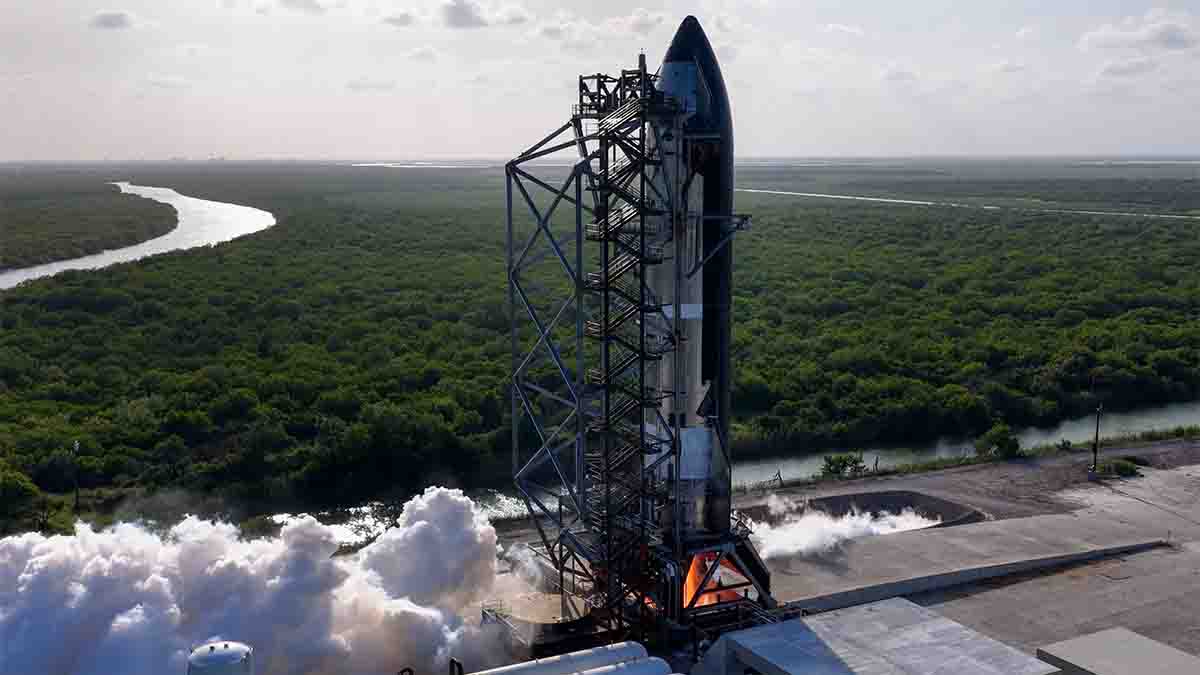
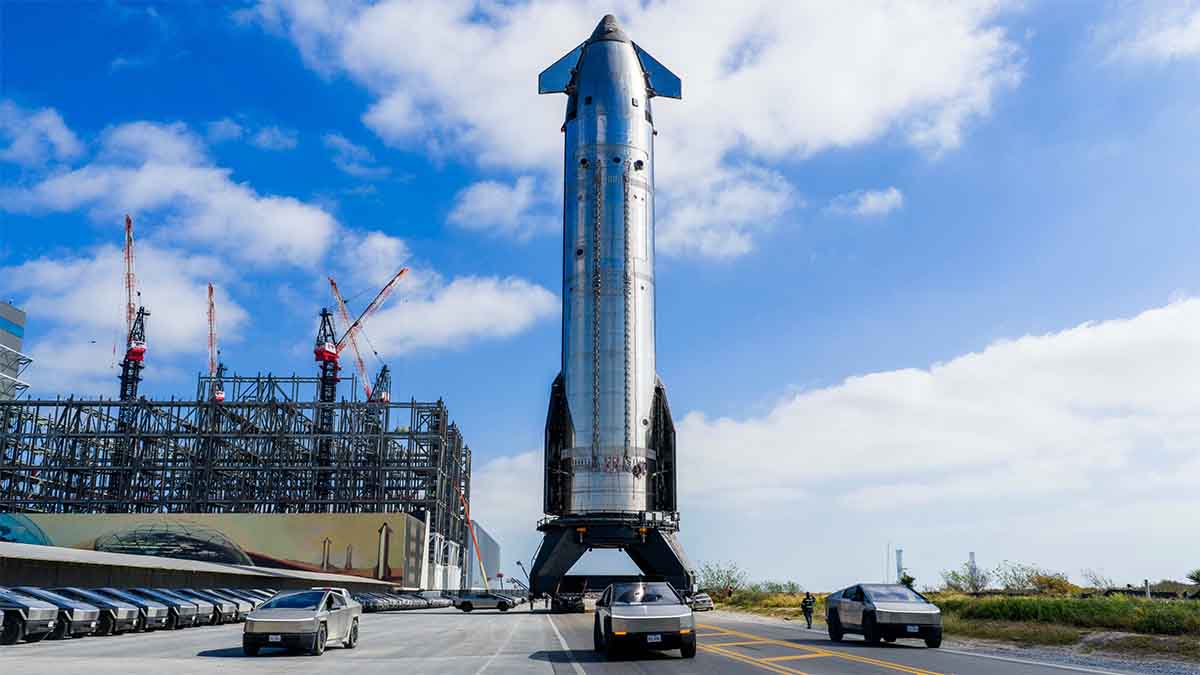
On October 13, SpaceX launched the Starship Flight 11 from Starbase, Texas, and completed its mission objectives, collecting useful data to improve the V3 upper stage and super heavy booster design. This was the final launch for the second-generation Starship and launch pad 1, which will get a configuration upgrade. So, the next launch will be seen at Launch Pad 2, which is currently under development and will be ready very soon.
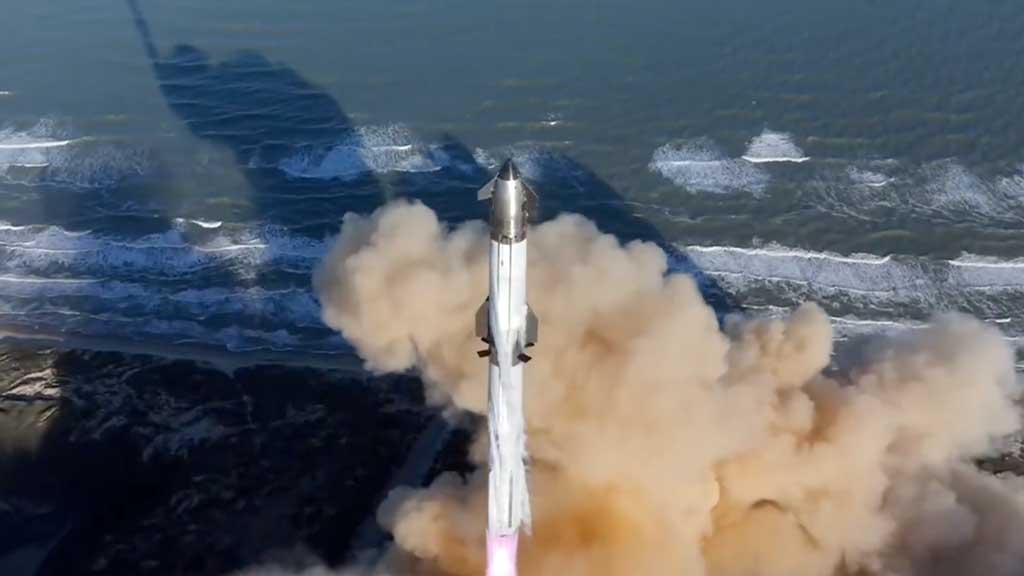
The test began with the Super Heavy firing its 33 Raptor engines and lifting off from Launch Pad 1, ascending over the Gulf. This phase was followed by hot-staging, where the upper stage marked the ignition of its six Raptor engines to enter space.
Liftoff of Starship! pic.twitter.com/sbfmGAEPa6
— SpaceX (@SpaceX) October 13, 2025
After the stage separation, the booster performed a boostback burn and returned into a splashdown trajectory using 12 out of 13 planned engines. This move was achieved with the same angle of attack tested in the previous flight, and the first stage made its way to the Gulf of America as it fired 13 Raptor engines, including the one that didn’t restart during the boostback burn.
In the final phase, the booster marked a landing burn with the same engine configuration as the next-gen booster, which will debut in the upcoming flight test. In conclusion, this mega rocket hovered over the Gulf and made a splashdown after the engine shut down.
On the other side, the Starship completed its full-duration burn, and the ship achieved its planned velocity and trajectory. During its flight, the ship deployed eight Starlink simulators and relit an in-space Raptor engine, which will be used to deorbit the ship in future missions.
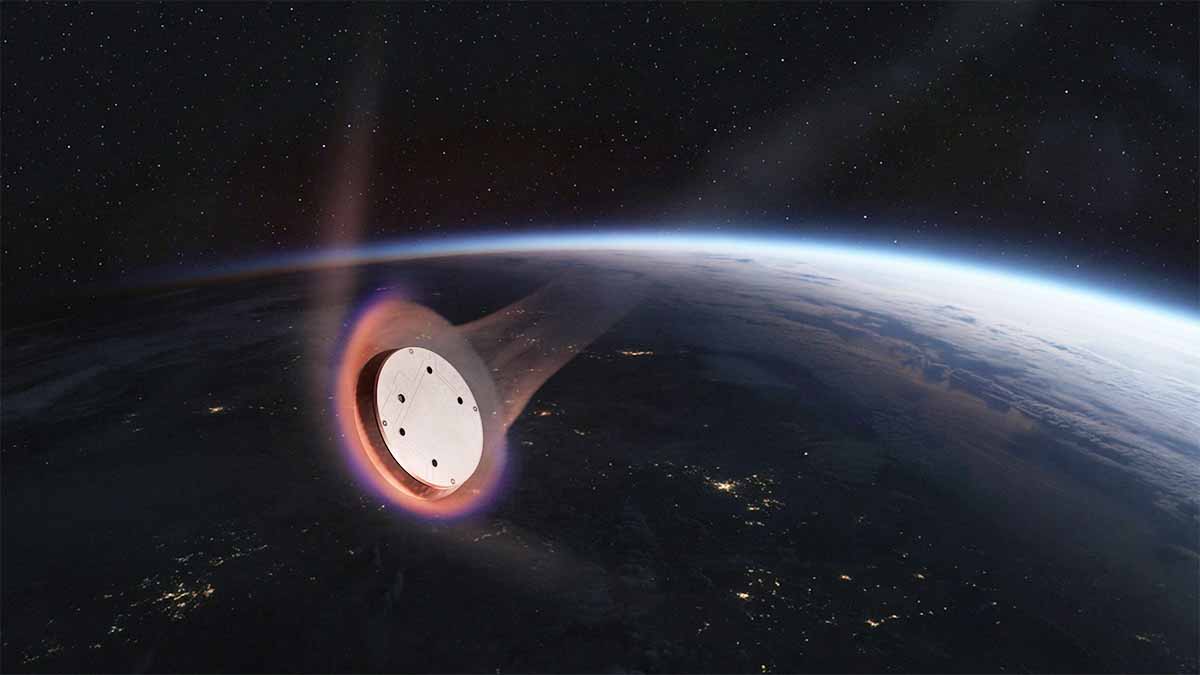
After completing its coasting phase, the Starship entered the Earth’s atmosphere and endured the scorching heat from atmospheric pressure, which is intentionally increased to test tiles and heat protection. Another important part of this mission was a dynamic banking maneuver, which follows the trajectory that future missions returning to Starbase will fly.
Starship then navigated into the splashdown zone in the Indian Ocean and concluded the journey after initiating a flip, followed by a landing burn.
The next Starship and Super Heavy booster will use the data collected from Flight 11 and complete more important objectives, including second-stage landing on the launch site, operational payload deployment capability, propellant transfer, and more.
(source)