SpaceX
SpaceX launches first Starlink Falcon 9 mission after second stage anomaly

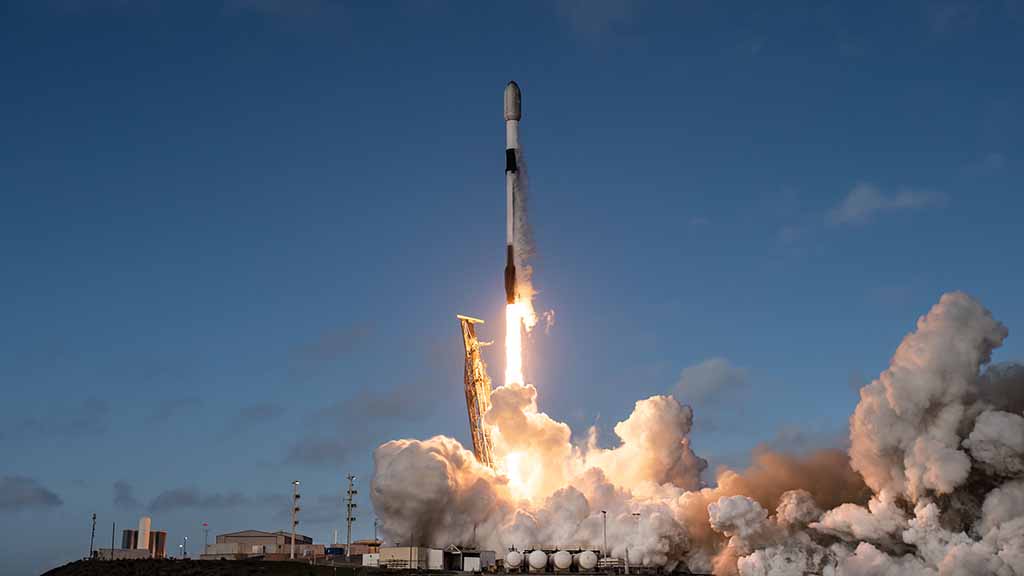
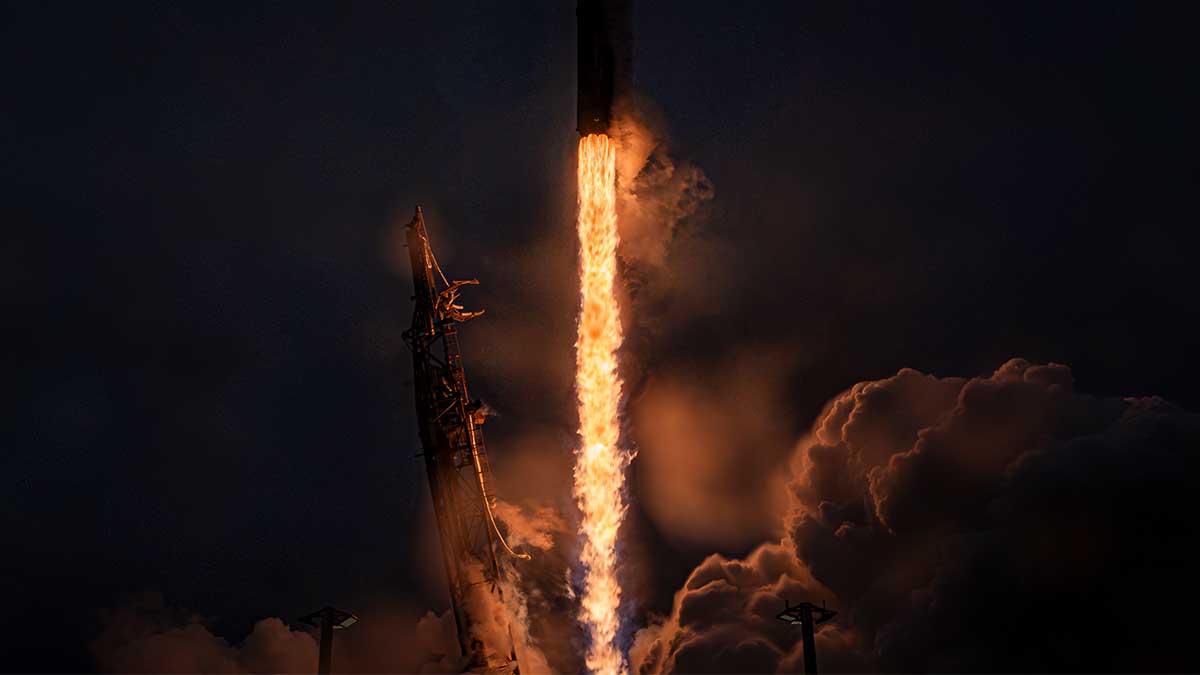
SpaceX resumed Falcon 9 operations with a successful Starlink mission on February 7, 2026. This launch marked the first flight after a second-stage anomaly on the prior Starlink 17-32 mission. The Falcon 9 lifted off from Space Launch Complex 4 East at Vandenberg Space Force Base, California.
It carried 25 Starlink satellites to low-Earth orbit. The first stage booster completed its flight and landed on the droneship Of Course I Still Love You in the Pacific Ocean. Satellites deployed as planned.
The first stage used in this mission completed its 13th flight, as previously it supported NROL-126, Transporter-12, SPHEREx, NROL-57, and nine Starlink missions.
The Starlink 17-32, launched previously, experienced an off-nominal second stage condition. A gas bubble in the transfer tube prevented ignition for the deorbit burn. The stage was safely passivated and reentered over the Southern Indian Ocean about 10.5 hours later. No debris or damage was reported.
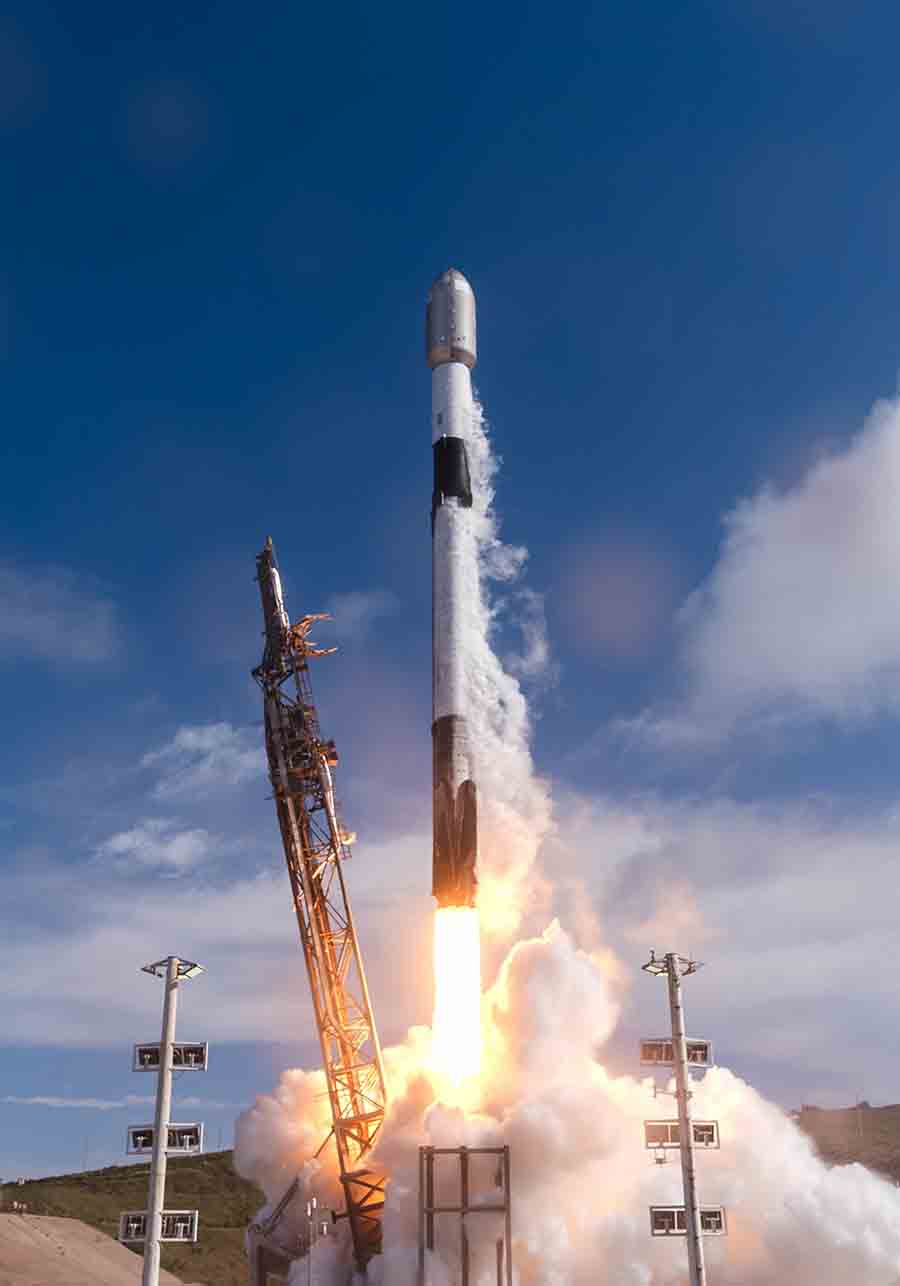
Falcon 9 lifted off from Space Launch Complex 4 East at Vandenberg Space Force Base, California (Source – SpaceX)
SpaceX quickly identified the cause. Teams tested new pre-burn engine chill profiles to improve deorbit reliability. These changes aim to ensure safe stage disposal and reduce orbital debris.
The Federal Aviation Administration (FAA) oversaw the investigation into the mishap.
Yesterday, the FAA stated: “The Falcon 9 vehicle is authorized to return to flight.” No public injuries or property damage occurred, allowing rapid clearance.
SpaceX and the FAA worked closely during the review. The short stand-down — just five days — showed the effectiveness of safety processes for frequent launches.
This return-to-flight mission added to the growing Starlink network, now over 9,600 satellites strong. It supports global internet coverage. The quick resolution highlights Falcon 9’s reliability, with hundreds of successful flights.
(source)