SpaceX
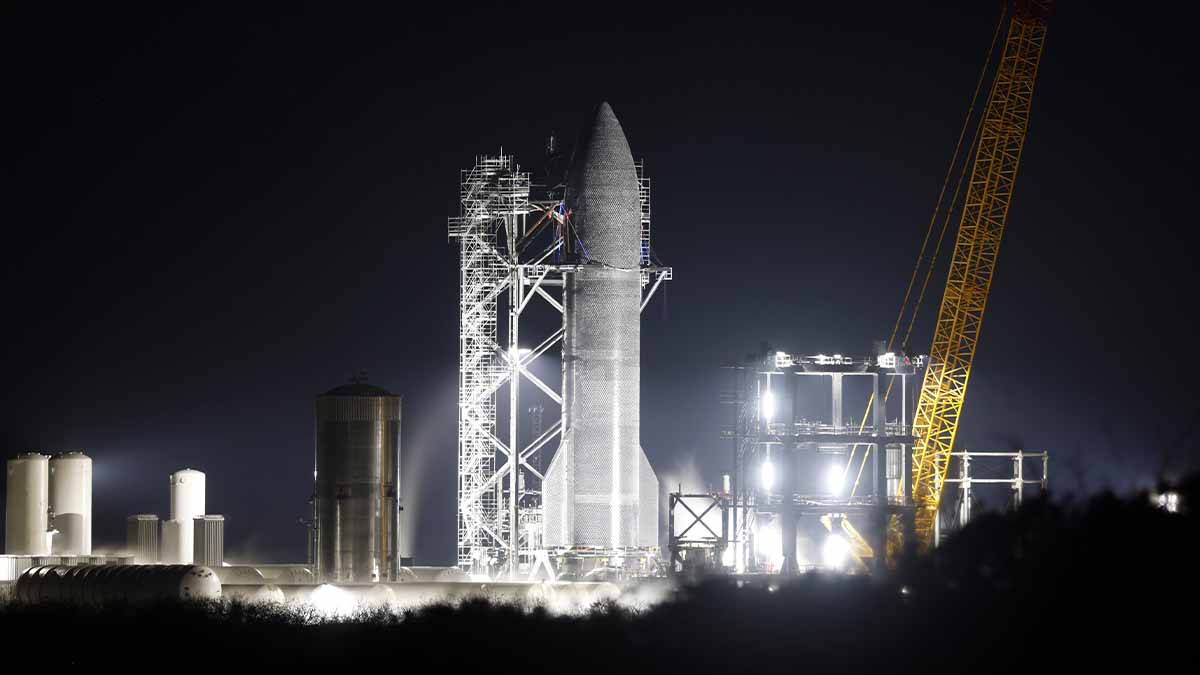
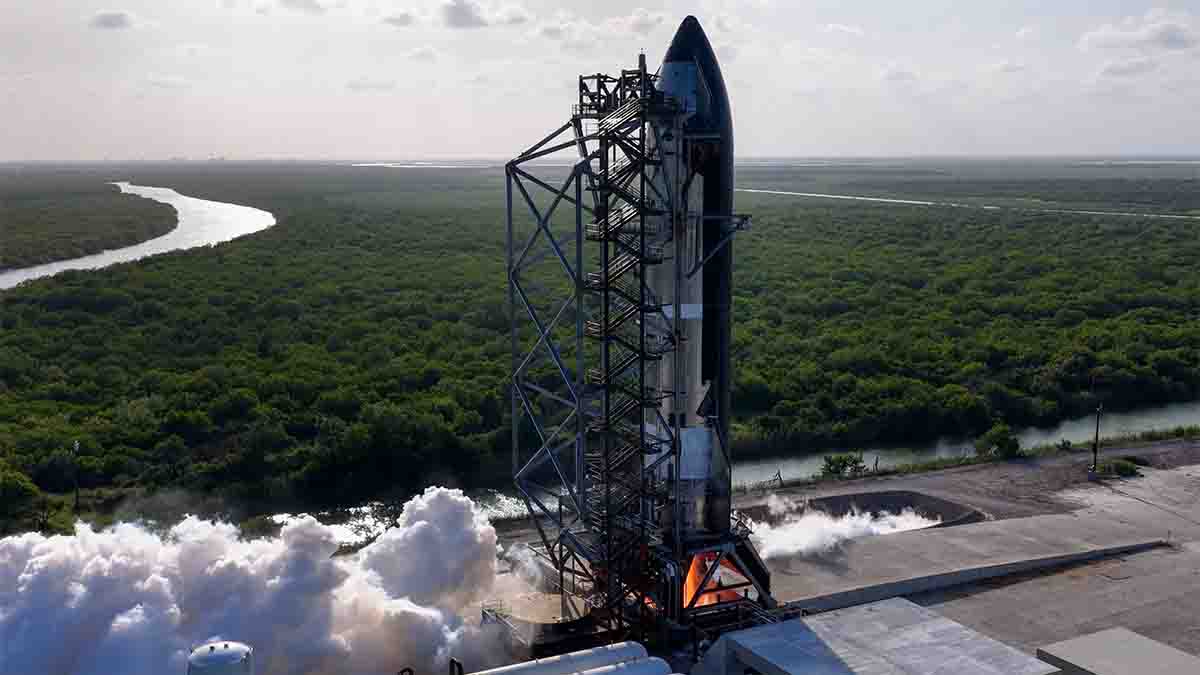
Check the cleanest look at SpaceX Super Heavy V3 Booster performing Cryoproof test

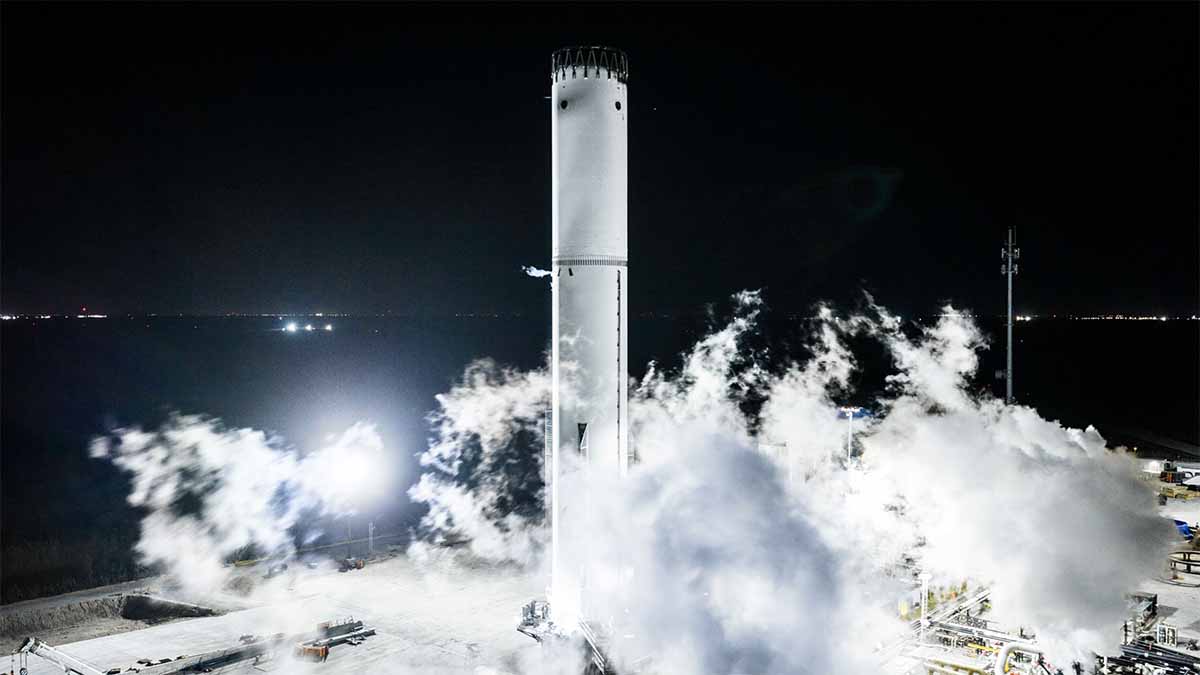
In a significant milestone for the Starship program, SpaceX has successfully completed cryoproof operations on the first Super Heavy V3 booster. The space launch vehicle maker shared this information via official X account, marks a crucial step forward after previous setbacks.
The multi-day campaign involved rigorous testing of Booster 19, the inaugural V3 prototype. Engineers filled the massive 70-meter booster with supercooled liquid methane and liquid oxygen to simulate the extreme conditions of launch.
This process, conducted over several days, aimed to validate the booster’s redesigned propellant systems and enhanced structural integrity. Unlike earlier tests, no leaks or failures were reported, demonstrating the effectiveness of design improvements implemented following an anomaly with the prior V3 booster.
Cryoproof operations complete for the first time with a Super Heavy V3 booster. This multi-day campaign tested the booster’s redesigned propellant systems and its structural strength pic.twitter.com/RpMQ1DoT5x
— SpaceX (@SpaceX) February 10, 2026
The importance of this cryogenic proof testing cannot be overstated. It serves as a foundational verification for the Super Heavy’s ability to withstand the immense pressures and thermal stresses of cryogenic fueling.
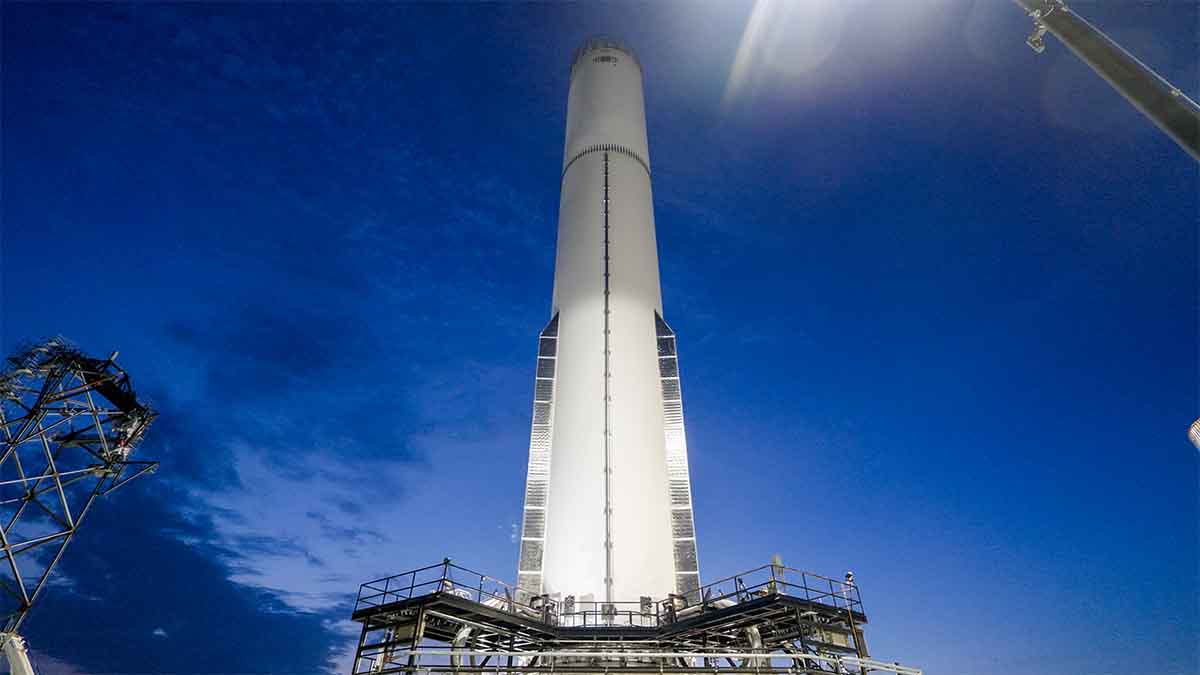
SpaceX Super Heavy V3 Booster Cryoproof operations
By pressurizing the tanks to levels beyond nominal operational loads, SpaceX ensures the vehicle’s reliability during ascent and potential recovery operations. This test is particularly vital after the November 2025 incident with Booster 18, where an anomaly occurred during gas system pressure testing—prior to any propellant loading or engine installation. That event prompted a thorough investigation and redesign, with no injuries reported as personnel maintained safe distances.
The successful cryoproof of Booster 19, completed in under 72 days from initial assembly, represents SpaceX’s fastest booster build to date, highlighting advancements in manufacturing efficiency.
Looking ahead, this success propels the program into its next phase: preparations for Starship Flight 12, targeted for the first quarter of 2026.
With the propellant systems now validated, teams can proceed to engine installation, equipping the booster with Raptor 3 engines, followed by static fire tests and eventual stacking with a Ship upper stage.
Flight 12 is poised to build on previous missions, aiming for full reusability, orbital refueling demonstrations, and catch maneuvers for both stages. These capabilities are essential for scaling Starship operations, supporting NASA’s Artemis program, and advancing Elon Musk’s vision of Moon and Mars colonization.
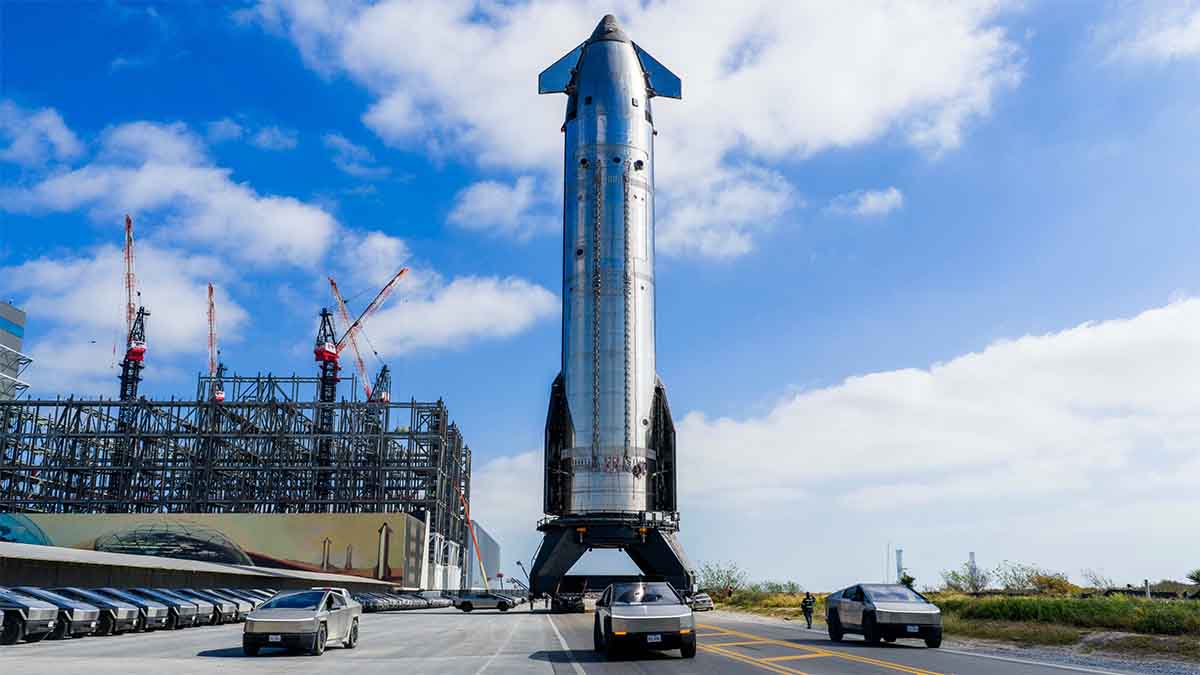
The V3 upgrades, including taller tanks for increased propellant capacity and improved thrust structures, promise greater performance over Block 2 designs. By resolving issues from the Booster 18 anomaly, SpaceX mitigates risks for future flights, potentially enabling more frequent launches and rapid iteration.
(source)